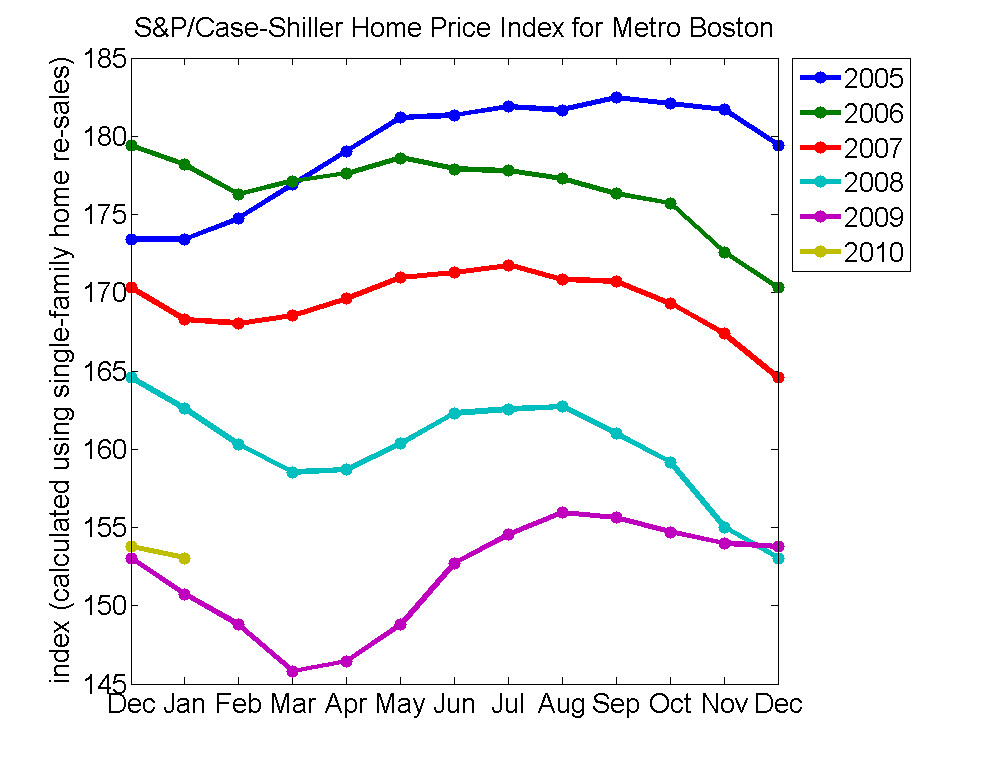
falling prices in real estate could offset shrinking loans in some cities. As the market evolves, understanding these dynamics is crucial for informed decisions.
Understanding the Impact of Falling Prices
The recent trend of falling prices in real estate has raised questions about its impact on both buyers and sellers. As prices decline, potential homeowners may find opportunities to purchase properties at more affordable rates. This shift can lead to increased competition among buyers, especially in markets that were previously out of reach.
However, it is essential to consider the broader implications of these changes. For sellers, falling prices can mean reduced equity in their homes, which may hinder their ability to finance new purchases. Additionally, sellers may experience longer listing times as they adjust their expectations to align with the current market conditions.
Despite the challenges, falling prices in real estate can create a favorable environment for first-time buyers. With lower entry costs, these individuals can enter the housing market sooner than anticipated. Real estate experts suggest that buyers should carefully evaluate their options and consider the long-term value of their investments.
In summary, while falling prices present certain risks for sellers, they also offer unique advantages for buyers. Understanding these dynamics is crucial for navigating the evolving real estate landscape effectively.
How Shrinking Loans Affect Buyers
As falling prices in real estate continue to shape the market landscape, it’s essential to understand how shrinking loans impact prospective buyers. With interest rates rising, many lenders are tightening their criteria, making it more challenging for buyers to secure favorable loan terms. This shift can lead to a decrease in purchasing power, forcing buyers to reevaluate their budgets and expectations.
Amid these changes, some buyers may find that falling prices may balance the reduction in loan sizes. This can create opportunities in certain markets where affordability becomes more attainable. However, navigating this landscape requires careful consideration of several factors:
- Market Conditions: Understanding local real estate trends can help buyers identify the best times to enter the market.
- Loan Options: Exploring various loan types and terms can uncover better financing opportunities, even in a tightening market.
- Long-Term Goals: Buyers should assess how current conditions align with their future plans, ensuring a sound investment.
Ultimately, while falling prices in real estate present challenges, informed buyers can leverage these changes to their advantage.
The Current State of Real Estate Markets
The real estate market is currently experiencing significant shifts as falling prices in real estate become more prevalent across various regions. Many cities have reported a decline in home values, which has raised concerns among both buyers and sellers. This downward trend can be attributed to a combination of factors, including rising interest rates, economic uncertainty, and changing buyer preferences.
According to recent reports, the impact of falling prices is not uniform across the country. In some metropolitan areas, prices have dropped sharply, creating opportunities for prospective homeowners. However, in other regions, the market remains relatively stable, making it essential for buyers to stay informed about local trends.
As buyers navigate these changes, they should consider the following:
- Market Research: Staying updated on local market conditions can help buyers make informed decisions.
- Timing: Identifying the right moment to buy can maximize savings in a declining price environment.
- Professional Guidance: Consulting with real estate agents who understand the nuances of the market can provide valuable insights.
In summary, while falling prices in real estate present challenges, they also offer unique opportunities for those willing to adapt to the evolving landscape.
Strategies for Navigating Price Changes
As falling prices in real estate reshape the market landscape, it becomes essential for buyers and investors to adopt effective strategies to navigate these changes. Understanding how to leverage this situation can lead to significant opportunities.
Consider the following strategies to make the most of falling prices:
- Research Local Markets: Stay informed about trends in specific neighborhoods. Prices can vary widely, so pinpointing areas with the most potential can yield better investments.
- Evaluate Your Financing Options: With loans becoming more accessible, explore various financing solutions. Look for lenders offering favorable terms that align with current market conditions.
- Focus on Long-term Value: While short-term fluctuations may seem daunting, prioritize properties with long-term appreciation potential. This will safeguard your investment against market volatility.
- Be Prepared to Negotiate: Falling prices mean sellers may be more willing to negotiate. Don’t hesitate to make offers below asking prices to secure a better deal.
By employing these strategies, buyers and investors can effectively navigate the challenges posed by falling prices in real estate, turning potential setbacks into advantageous opportunities.
Future Predictions for Property Values
As experts analyze the ongoing trend of falling prices in real estate, predictions for future property values vary significantly across different markets. Many analysts believe that the decline in prices may stabilize in the coming months, while others caution that additional economic factors could further influence the market.
Several key factors are expected to shape the future of property values:
- Interest Rates: The Federal Reserve’s decisions on interest rates will play a critical role in housing affordability, impacting how buyers view the market.
- Economic Recovery: The pace of economic recovery post-pandemic will determine consumer confidence and buying power, significantly influencing property demand.
- Supply and Demand: An increase in housing inventory may continue to pressure prices downward, while a resurgence in buyer interest could lead to a rebound.
- Urban vs. Suburban Trends: Shifts in buyer preferences towards suburban areas may create disparities in price adjustments across different regions.
Overall, while falling prices in real estate present challenges, they also offer opportunities for savvy buyers and investors willing to navigate the changing landscape strategically.
By Matthew Simoneau via Openverse