rail project impact has become a pressing issue as an Australian developer reports that a halted rail initiative disrupted their 218-apartment build.
Understanding the Rail Project Impact
The rail project impact has been significant for many developers in the region. One Australian developer recently highlighted the challenges faced due to the state’s decision to acquire land for a new rail line. The project, which was set to include 218 apartments, came to a standstill, causing delays and financial strain.
These holdups can have far-reaching consequences, affecting not only the developers but also the local housing market. The disruption has raised concerns among stakeholders about the future of similar projects. Here are some key points regarding the situation:
- Financial Implications: Developers may incur additional costs due to postponements.
- Housing Supply: Delays can exacerbate housing shortages in the area.
- Community Impact: Local residents may face extended wait times for new housing options.
As the rail project progresses, it remains to be seen how these factors will affect the overall landscape of apartment construction and availability in the region.
Current State of Apartment Developments
The current state of apartment developments has drastically changed due to the ongoing rail project impact. Many builders and developers are facing significant delays that are hindering progress on their projects. One notable case involves a developer in Australia who has been forced to halt plans for a 218-apartment complex.
The decision to pause construction came after the state government moved to acquire land for the rail project, causing uncertainty among developers. This situation is not isolated; several other projects have been similarly affected, leading to a ripple effect in the housing market.
Developers are now grappling with:
- Increased costs due to halted work and uncertainty.
- Loss of potential revenue from delayed units.
- Frustration over lack of communication from government officials.
As the rail project continues to unfold, apartment builders remain on edge, hoping for a resolution that will allow them to resume their developments without further interruption.
Developer Reactions to Delays
Developers are expressing frustration over the significant delays caused by the rail project impact on their ongoing projects. One prominent Australian developer, who faced a halt on a 218-apartment build, stated that the unexpected state acquisition of land has severely disrupted their timeline and financial forecasts.
In a recent statement, the developer highlighted several key concerns:
- Financial Strain: The halt has resulted in increased costs due to idle resources and prolonged financing arrangements.
- Market Uncertainty: Potential buyers are becoming increasingly hesitant, causing a ripple effect across the market.
- Project Viability: Extended delays raise questions about the project’s overall feasibility and profitability.
As developers navigate these challenges, many are calling for better communication from authorities regarding the rail project impact and its implications for future developments. The hope is to find a resolution that will allow projects to proceed without further interruptions.
Government’s Role in Infrastructure
The government’s involvement in infrastructure projects has reached a critical juncture, particularly concerning the ongoing rail project impact on the housing market. With state authorities prioritizing the rail initiative, many apartment builders are facing unprecedented delays, significantly affecting their timelines and financial projections.
According to industry experts, the following factors illustrate the government’s role in this challenging environment:
- Policy Changes: Recent shifts in policy have led to the acquisition of land necessary for the rail project, which in turn has stalled multiple housing developments.
- Funding Allocation: State funding has been redirected towards the rail project, leaving apartment developers with fewer resources and support for their ongoing projects.
- Communication Gaps: A lack of clear communication between government bodies and developers has exacerbated the situation, leading to confusion and uncertainty in the market.
As the rail project progresses, its impact on apartment builders remains a pressing concern, highlighting the need for improved collaboration and infrastructure planning.
Future of Rail Projects in Australia
The future of rail projects in Australia remains uncertain as developers grapple with the profound rail project impact on housing developments. With several key infrastructure initiatives currently stalled, many are left questioning the viability of new residential projects. The ongoing delays not only affect the construction timelines but also significantly influence investment decisions.
As the demand for housing continues to rise, the reliance on rail infrastructure becomes increasingly critical. Developers are urging government bodies to expedite approvals and communication regarding rail projects to mitigate the ongoing disruptions. The lack of clarity surrounding project timelines has led to a ripple effect, causing financial strain for many builders who had anticipated smooth progress.
Key stakeholders are now advocating for a more integrated approach to planning, which includes regular updates on rail project schedules. Investing in transparent processes could alleviate some of the burdens faced by developers and ultimately support the housing market in Australia in the long run.
Without concrete action, the outlook for future rail projects and their associated impacts on apartment builders remains bleak.
Potential Solutions for Affected Builders
As the rail project impact continues to ripple through the construction industry, developers are seeking potential solutions to mitigate the effects of delays on their apartment projects. Here are some strategies being considered:
- Negotiation with Local Authorities: Builders are encouraged to engage in dialogue with government officials to explore possible adjustments in their development timelines and permits.
- Financial Support: Seeking financial assistance or incentives from the government can help alleviate some of the burden caused by the unexpected halt in construction.
- Collaboration with Other Developers: Forming partnerships with other affected builders may lead to shared resources and strategies to navigate the ongoing challenges.
- Flexible Project Planning: Developers are advised to adopt more flexible timelines that can accommodate potential future disruptions caused by the rail project.
- Community Engagement: Maintaining open lines of communication with prospective residents can help manage expectations and maintain interest in the projects.
Implementing these solutions may help builders navigate the challenges posed by the rail project impact and minimize long-term repercussions.
The rail project impact has led to significant setbacks for apartment builders, forcing many to reevaluate their timelines. As developers grapple with the rail project impact, delays in construction schedules continue to ripple through the housing market.
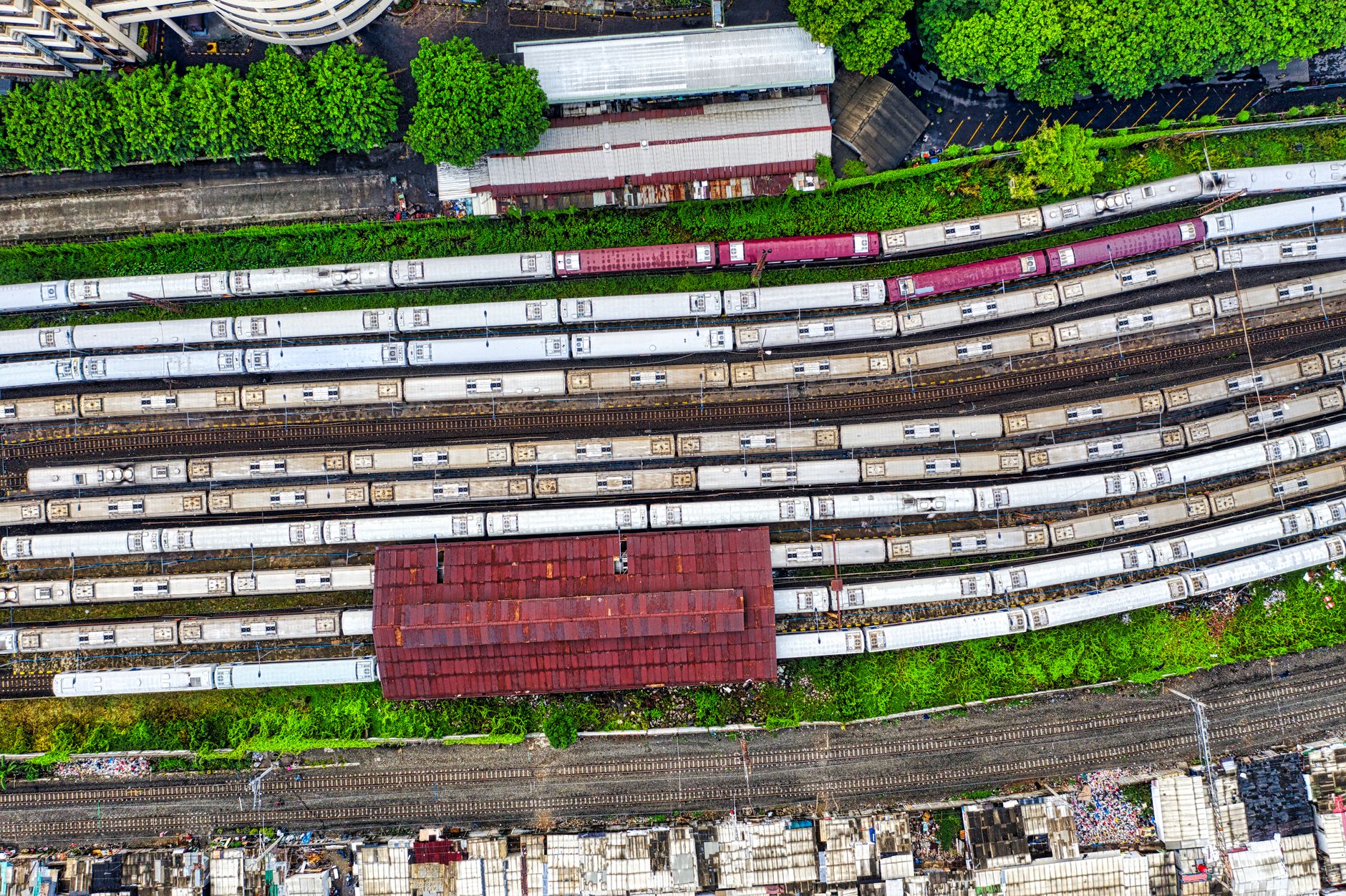
Photo by Tom Fisk on Pexels
References
Related stories
Hyatt Hotels valuation: Is it the Best Investment Opportunity? · Is Development Near Transit the Best Way to Boost Growth? · Kalpataru Q2FY27 pre-sales: Is This the Worst Performance Yet?