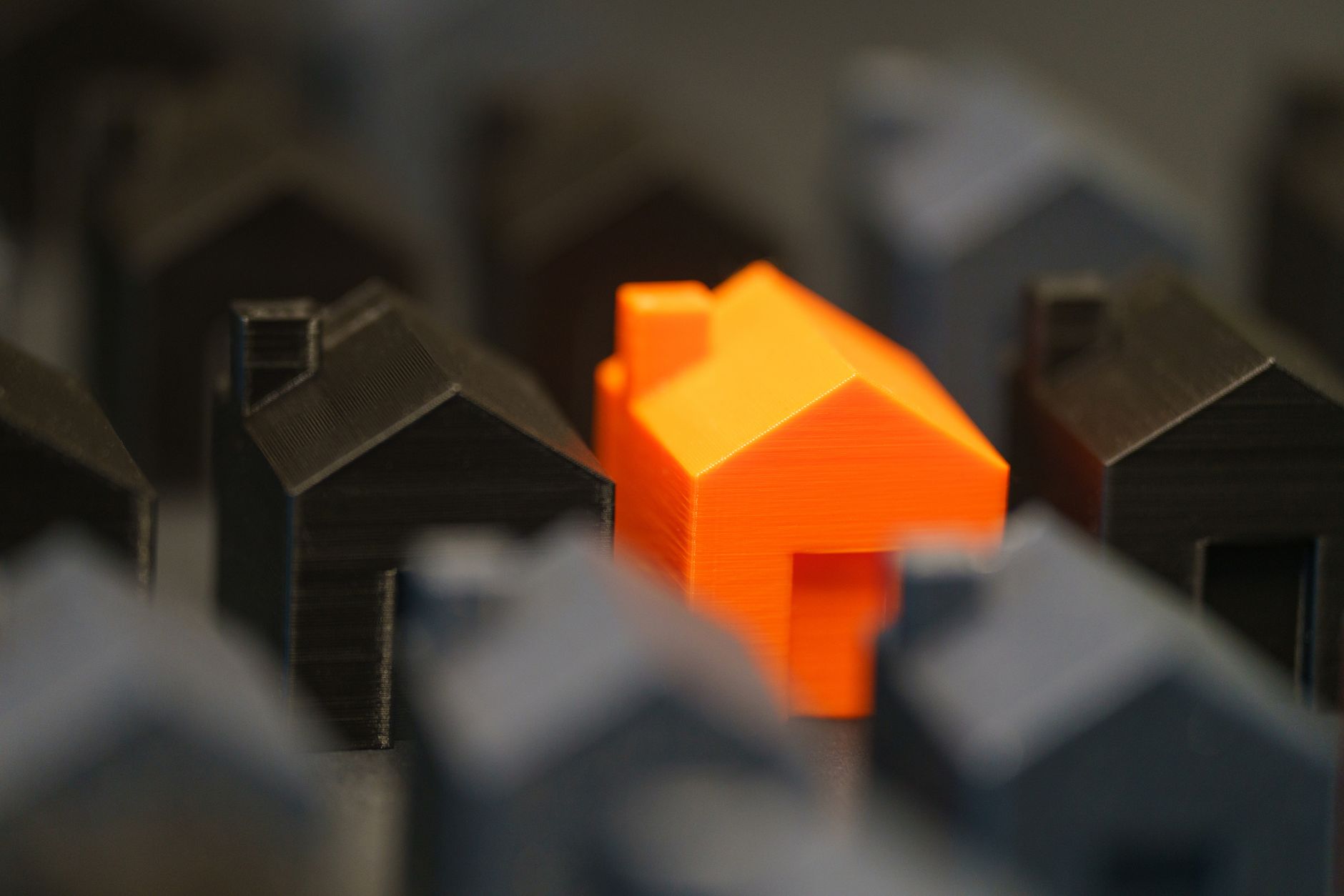
Home prices rise in 3Q2026, reflecting a complex landscape where gains vary significantly across different districts. Understanding these trends is crucial for buyers and investors alike.
Overview of Home Price Trends
The real estate market has shown significant movement in 3Q2026, with overall home prices rise reported across various districts. However, these increases are not uniform, highlighting a disparity in market conditions throughout the region.
Several factors contribute to these trends:
- Economic Growth: A steady increase in job opportunities has bolstered demand for housing, particularly in urban areas.
- Interest Rates: Despite rising home prices, low mortgage rates continue to attract buyers, leading to competitive bidding in sought-after neighborhoods.
- Supply Constraints: Limited housing inventory has intensified competition, driving prices higher in certain districts while others lag behind.
As the market evolves, potential buyers and investors should remain aware of these disparities in home price trends, as they can significantly influence purchasing decisions and long-term investment strategies.
Factors Influencing Price Changes
As home prices rise in 3Q2026, several factors are contributing to this trend across various districts. Understanding these influences is crucial for potential buyers and investors alike.
- Supply and Demand: A low inventory of available homes continues to create competitive bidding environments, driving prices upwards.
- Interest Rates: Despite fluctuations, mortgage rates remain relatively low, encouraging more buyers to enter the market and putting upward pressure on prices.
- Economic Growth: Job creation and salary increases in certain regions enhance consumer confidence, leading to higher home purchases.
- Location Variability: While some districts experience significant price gains, others remain stagnant due to local economic conditions and development projects.
- Investor Activity: Increased interest from real estate investors adds to demand, particularly in urban areas, further fueling the rise in home prices.
District Comparisons in Home Prices
In the latest data from the third quarter of 2026, home prices rise unevenly across various districts, highlighting significant disparities in the real estate market. While some areas have experienced substantial gains, others have seen modest increases or even declines.
Key findings from the district comparisons include:
- District A: A surge in demand has led to a 15% increase in home prices compared to the previous quarter.
- District B: Home prices rise by only 5%, reflecting slower growth due to an oversupply of properties.
- District C: This area has remained stable, with a 2% rise in prices, attributed to consistent buyer interest.
- District D: A decline of 3% in home prices, driven by economic uncertainties and reduced buyer confidence.
These variations suggest that local market conditions play a crucial role in determining home price trends.
Expert Opinions on Market Outlook
Experts in the real estate market are weighing in on the recent trends as home prices rise in 3Q2026. According to Dr. Emily Carter, a leading economist, the increase in prices is driven by low inventory levels paired with high demand. She notes that while certain districts are experiencing significant gains, others remain stagnant, indicating a fragmented market.
John Mitchell, a real estate analyst, emphasizes the importance of location, stating, “Buyers are increasingly prioritizing areas with strong amenities and schools.” He suggests that this demand can lead to further disparities in home prices across different regions.
Additionally, Sarah Nguyen, a market strategist, warns that rising interest rates may soon impact affordability, potentially slowing down the upward trajectory of home prices. She advises potential buyers to act quickly while conditions remain favorable, as the market could shift in response to these economic pressures.
Overall, the consensus among experts is that while home prices rise, careful attention to local trends is essential for both buyers and sellers.
Impact of Economic Conditions
The rise in home prices is closely tied to various economic conditions that shape the housing market. As we observe trends in 3Q2026, it becomes clear that several key factors are influencing this increase.
Firstly, interest rates have remained relatively low, encouraging more buyers to enter the market. This surge in demand often drives prices higher. Additionally, employment rates have shown improvement, leading to greater consumer confidence and increased purchasing power.
Moreover, inflation is impacting construction costs, resulting in higher prices for new homes. As a consequence, existing home prices are also climbing, reflecting the overall trend of home prices rise.
Another critical factor is the supply chain disruptions which have led to a shortage of available housing, further intensifying competition among buyers and pushing prices up in many districts.
Understanding these economic conditions is essential for navigating the complexities of the current housing market.
Tips for Home Buyers in 2026
As home prices rise in 3Q2026, potential buyers should adopt strategic approaches to navigate the evolving market. Here are some tips to consider:
- Research Local Markets: Understand the specific trends in your desired district, as price changes can vary significantly.
- Get Pre-Approved: Securing a mortgage pre-approval can provide a competitive edge and help you act quickly when you find a suitable property.
- Be Flexible: Consider expanding your search criteria to include different neighborhoods or property types, which may offer better value.
- Work with a Real Estate Agent: An experienced agent can provide insights and help you navigate the complexities of the current market.
- Stay Informed: Keep up with economic conditions and housing market trends to make informed decisions during your home-buying journey.
By following these tips, buyers can better position themselves in a market where home prices continue to rise.
Future Predictions for Real Estate
As we look to the future of the real estate market, several predictions emerge regarding how home prices rise will unfold in the coming quarters. Analysts suggest that while overall prices may continue to trend upwards, the rate of increase will likely vary significantly by region.
Key factors that could influence these future trends include:
- Interest Rates: If the Federal Reserve adjusts rates, borrowing costs may impact buyer demand.
- Supply Chain Stability: Continued disruptions could affect new construction, limiting housing supply.
- Demographic Shifts: An increase in millennials entering the housing market may drive demand in specific areas.
- Remote Work Trends: The ongoing popularity of remote work could shift demand from urban to suburban areas.
In conclusion, while home prices rise may be a consistent theme, the nuances of local markets will dictate individual experiences for buyers and sellers alike in 2026.
Photo by Jakub Zerdzicki on Pexels
Read the original
Related reading
Infrastructure projects in Ladakh Worth 3,350 Crore Unveiled · Residential project Bengaluru: Proven partnership for growth · HomePod mini 2 features: Is it the Best Smart Device?