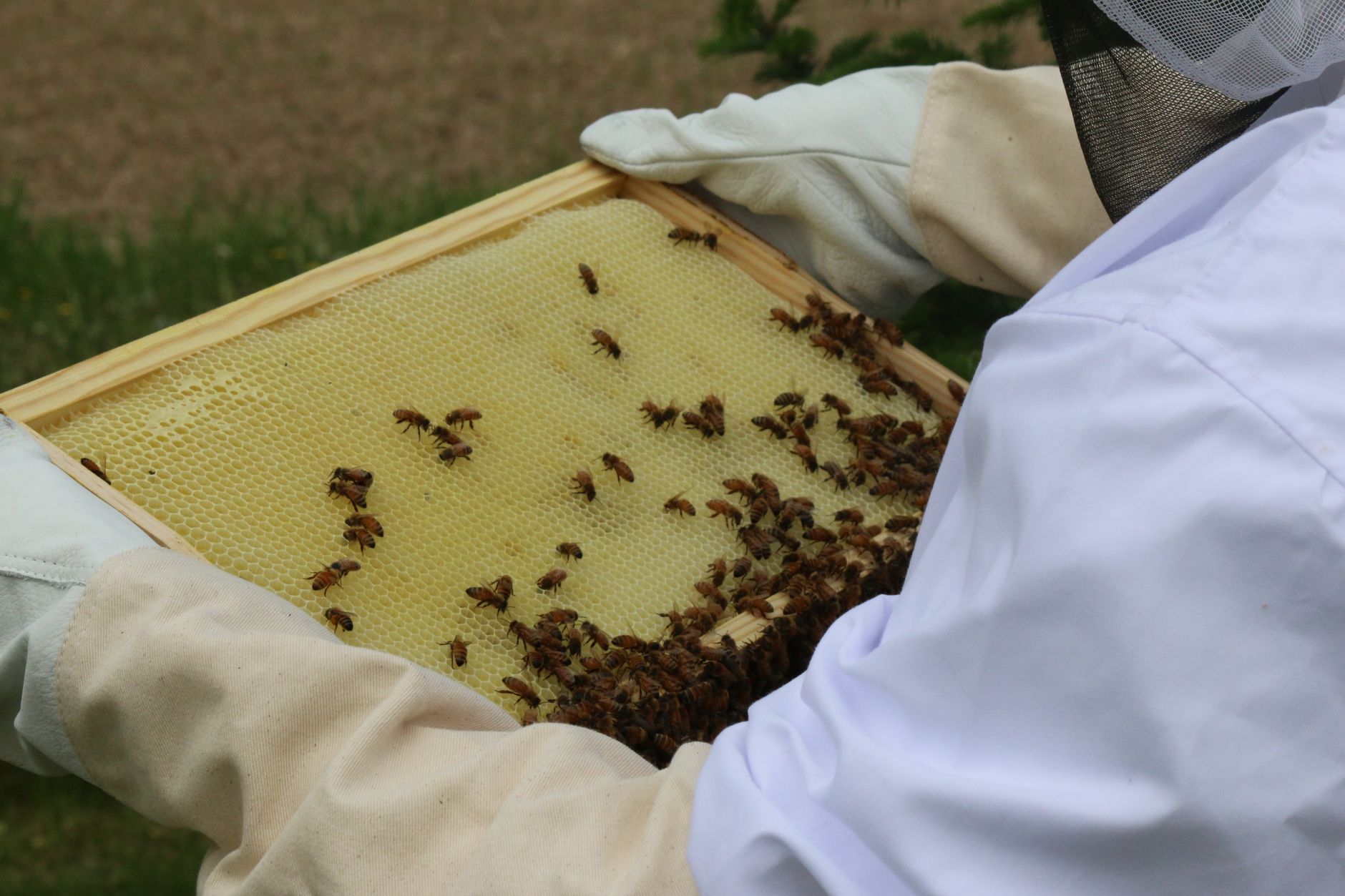
The Copenhagen beekeeping project aims to support local communities through sustainable practices. This initiative, launched by a British anthropologist, has garnered attention for its innovative approach to urban beekeeping.
The Origins of the Copenhagen Beekeeping Project
The Copenhagen beekeeping project began in 2010, initiated by a British anthropologist who aimed to support individuals facing economic challenges. This innovative project was designed to promote urban agriculture and sustainability while fostering community engagement.
Initially, the project started with a handful of hives in a local park, where volunteers learned the art of beekeeping. The goal was to empower participants by providing them with skills and resources to cultivate honey and other bee products. Over time, the project expanded, attracting more community members and raising awareness about the crucial role of bees in our ecosystem.
Today, the Copenhagen beekeeping project not only provides a source of income for participants but also contributes to environmental conservation efforts, demonstrating the profound impact of urban beekeeping.
How the Project Benefits Local Communities
The Copenhagen beekeeping project has made significant strides in enhancing local communities. By promoting urban beekeeping, the project fosters a sense of community and encourages residents to connect with nature.
One of the primary benefits is the increased biodiversity in urban areas, which supports local ecosystems. Moreover, participants learn about sustainable practices and the importance of pollinators in food production.
Through workshops and educational programs, the project empowers individuals with knowledge and skills related to beekeeping. This not only cultivates environmental awareness but also offers economic opportunities through the sale of honey and related products.
Additionally, the project strengthens community bonds as neighbors collaborate on beekeeping initiatives, creating a shared purpose and promoting social cohesion.
Overall, the Copenhagen beekeeping project serves as a model for urban sustainability and community development.
Sustainable Practices in Urban Beekeeping
The Copenhagen beekeeping project exemplifies sustainable practices in urban environments. By integrating beekeeping into city life, the initiative not only supports local biodiversity but also promotes environmental awareness among residents. This project encourages the use of organic farming methods, reducing the reliance on harmful pesticides and fostering healthier ecosystems.
Participants are trained in responsible beekeeping techniques, ensuring that hives are managed with care and respect for the bees. The project also emphasizes the importance of native plants, encouraging urban gardeners to cultivate flowers that attract pollinators. Through workshops and community events, the Copenhagen beekeeping project raises awareness of the crucial role bees play in food production and ecological balance.
Ultimately, these sustainable practices not only benefit the environment but also strengthen community ties, creating a shared sense of responsibility and connection to nature.
Challenges Faced by Beekeepers
The Copenhagen beekeeping project has experienced various challenges that impact its effectiveness and sustainability. Some of the key issues faced by beekeepers include:
- Urban Environment: The city’s bustling atmosphere can pose dangers to bees, such as pollution and limited foraging areas.
- Climate Change: Shifting weather patterns affect flowering times and the availability of food sources for bees.
- Education and Training: Many newcomers to beekeeping lack the necessary knowledge and skills, leading to mismanagement of hives.
- Regulatory Barriers: Local regulations can sometimes hinder the expansion of beekeeping activities in urban areas.
Addressing these challenges is essential for the continued success of the Copenhagen beekeeping project and its benefits for the community.
Future of Urban Beekeeping
The future of urban beekeeping looks promising, especially with initiatives like the Copenhagen beekeeping project paving the way for sustainable practices in city environments. As awareness grows about the importance of pollinators, more urban areas are likely to adopt similar programs.
Several factors contribute to the bright outlook for urban beekeeping:
- Increased public interest: Citizens are becoming more engaged in sustainability efforts and are eager to learn about beekeeping.
- Supportive policies: Local governments are beginning to implement regulations that encourage beekeeping within city limits.
- Community involvement: Projects like the Copenhagen initiative foster community spirit and collaboration among residents.
As cities continue to evolve, urban beekeeping will likely play a crucial role in enhancing biodiversity and promoting environmental health.
The Impact on Biodiversity
The Copenhagen beekeeping project has made a significant impact on local biodiversity. By introducing beekeeping into urban environments, the project has fostered a greater understanding of the vital role bees play in pollination and ecosystem health.
This initiative not only promotes the survival of bees but also supports a diverse range of plants and flowers within the city. As urban green spaces are cultivated, local residents gain access to healthier food options and improved air quality.
Moreover, the project encourages community engagement and awareness about environmental issues. Participants learn about sustainable practices and the importance of preserving natural habitats.
In summary, the Copenhagen beekeeping project exemplifies how urban beekeeping can enhance biodiversity while simultaneously educating and empowering local communities.
Photo by Denise Cusack on Pexels