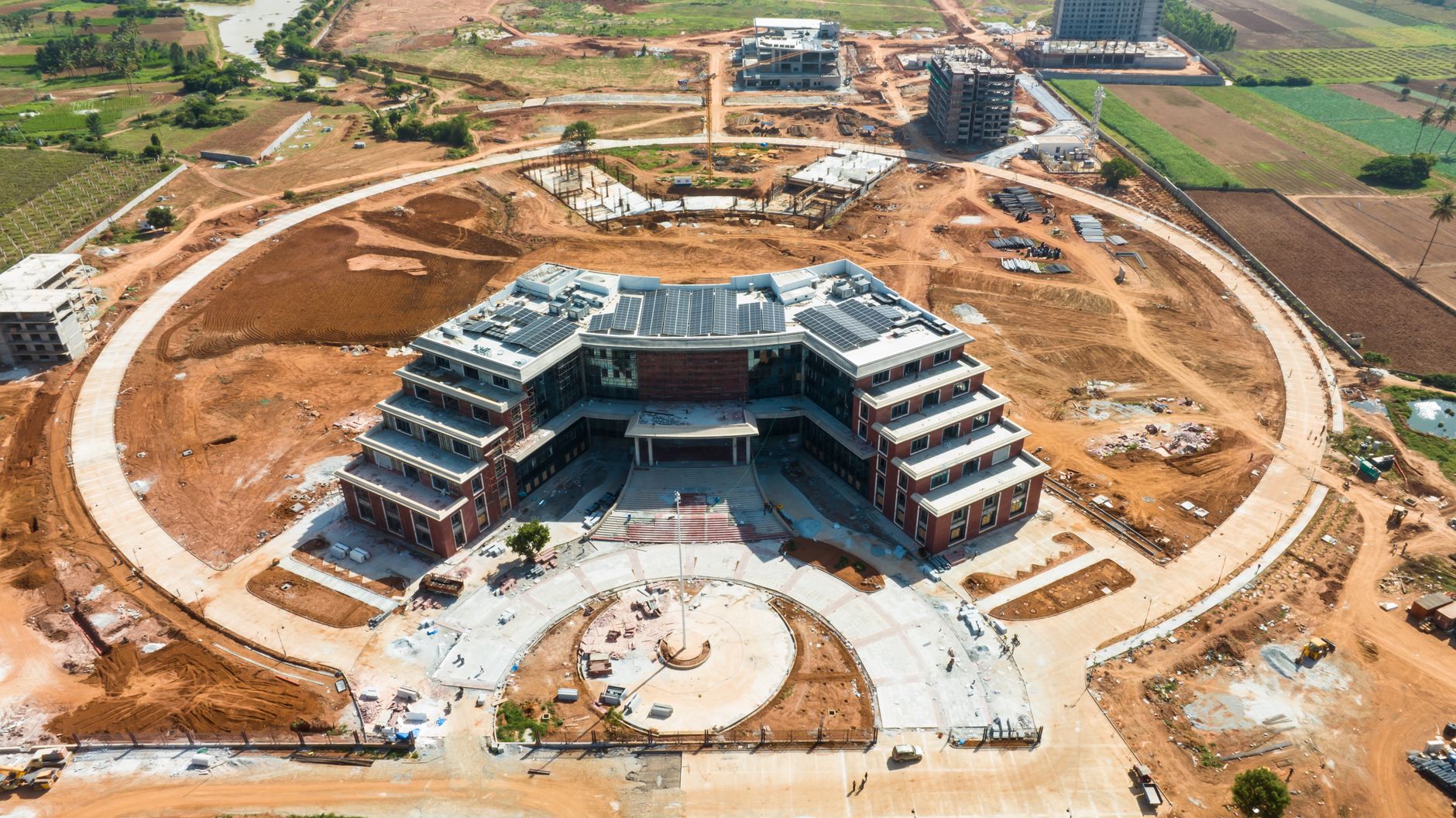
Bengaluru infrastructure projects are on the rise as PM Modi launches ₹15,600 crore worth of initiatives, including the Pink Line Metro. This significant investment aims to enhance urban mobility and boost economic growth.
Overview of Bengaluru’s new infrastructure projects
Bengaluru is set to undergo a significant transformation with the launch of several new infrastructure projects aimed at enhancing the city’s connectivity and efficiency. Recently, Prime Minister Modi inaugurated a series of initiatives worth ₹15,600 crore, marking a critical step towards modernizing the city’s infrastructure.
Among the notable projects is the much-anticipated Pink Line Metro, which promises to alleviate traffic congestion and provide faster commute options for residents. This project is expected to not only improve public transport but also reduce reliance on personal vehicles, contributing to lower carbon emissions in the process.
The benefits of these Bengaluru infrastructure projects extend beyond just transportation. They include:
- Economic Growth: Enhanced infrastructure is likely to attract more businesses and boost local economies.
- Job Creation: The construction and operation of new facilities will create numerous job opportunities for residents.
- Improved Quality of Life: With better roads and public transport, residents can enjoy reduced travel times and increased accessibility to essential services.
- Urban Development: Upgraded infrastructure can lead to the development of new residential and commercial areas, promoting urban growth.
As Bengaluru continues to expand, these infrastructure projects will play a crucial role in shaping a sustainable and efficient urban environment for years to come.
Details on the Pink Line Metro inauguration
The recent inauguration of the Pink Line Metro in Bengaluru marks a significant milestone in the city’s infrastructure projects. This new metro line, part of the expansive Bengaluru metro rail network, is set to enhance connectivity across the region, reducing travel time for thousands of commuters daily.
During the inauguration event, Prime Minister Modi emphasized the importance of modern infrastructure in fostering economic growth and improving the quality of life for residents. The Pink Line, which spans approximately 21 kilometers, connects key areas like Whitefield, Krishna Rajendra Market, and Majestic, facilitating smoother transit for both local citizens and tourists.
Some of the notable benefits of the Pink Line Metro include:
- Reduced Traffic Congestion: By providing an efficient alternative to road travel, the Pink Line is expected to alleviate traffic jams in the bustling areas of Bengaluru.
- Environmental Impact: With a focus on sustainable transport, the metro line will contribute to reduced carbon emissions, promoting a cleaner urban environment.
- Economic Opportunities: Improved transportation infrastructure will attract businesses and investments, creating job opportunities for local residents.
Overall, the Pink Line Metro is a crucial component of Bengaluru’s infrastructure projects, poised to transform the city’s transport landscape and enhance the daily lives of its inhabitants.
Impact of infrastructure on urban mobility
The impact of infrastructure on urban mobility in Bengaluru is profound and far-reaching. As the city continues to expand, the introduction of new infrastructure projects, including the much-anticipated Pink Line Metro, plays a crucial role in enhancing transportation systems.
One significant benefit of these projects is the reduction of traffic congestion. With improved public transport options, more residents can opt for metro services instead of personal vehicles, leading to fewer cars on the roads. This shift not only eases traffic but also contributes to lower pollution levels in the city.
Moreover, the enhanced connectivity provided by Bengaluru infrastructure projects facilitates easier access to various parts of the city. Commuters can travel more efficiently, reducing travel time and improving overall productivity. The integration of different modes of transport, such as buses and metro services, ensures seamless transitions for passengers.
Additionally, these projects stimulate economic growth by attracting investments and boosting local businesses. Improved infrastructure encourages people to explore new areas, leading to increased foot traffic in commercial zones.
In conclusion, the ongoing developments in Bengaluru’s infrastructure significantly impact urban mobility, providing numerous benefits that enhance the quality of life for its residents.
- Reduced traffic congestion
- Improved connectivity
- Economic growth
Economic benefits of new projects in Bengaluru
The recent surge in Bengaluru infrastructure projects is poised to bring significant economic benefits to the city. As these projects come to fruition, they are expected to stimulate local businesses and attract investment from various sectors.
One of the primary advantages of improved infrastructure is enhanced connectivity. With the inauguration of the Pink Line Metro and other transport initiatives, commuting times are likely to decrease substantially. This reduction in travel time can lead to increased productivity for businesses, as employees can spend more time on work-related tasks rather than on the road.
Additionally, better infrastructure can enhance real estate values. Areas around new metro lines and upgraded roads are often seen as more attractive for both residential and commercial development. As demand for properties in these locations increases, property owners and investors can benefit from higher returns.
Moreover, the influx of new businesses attracted by improved infrastructure can create job opportunities for local residents. This can lead to a more vibrant economy, as a diverse job market encourages consumer spending and supports small businesses.
Lastly, the ongoing infrastructure projects in Bengaluru are expected to have a positive ripple effect on tourism. With more efficient transport options and improved facilities, the city can attract more visitors, further boosting its economic landscape.
In summary, the economic benefits of Bengaluru’s infrastructure projects are multifaceted, promising growth and prosperity for its residents and businesses alike.
Public response to PM Modi’s initiatives
Public response to PM Modi’s initiatives concerning Bengaluru infrastructure projects has been overwhelmingly positive, as citizens express their enthusiasm for the transformative changes on the horizon. The launch of the ₹15,600 crore infrastructure projects, including the much-anticipated Pink Line Metro, has generated significant excitement among residents and commuters alike.
Many citizens have taken to social media to share their opinions, highlighting the expected improvements in daily commutes and overall connectivity. Ravi Kumar, a local businessman, stated, “These projects will not only ease traffic congestion but will also enhance the quality of life in our city.”
Furthermore, local community groups have organized discussions to assess the potential long-term benefits of the new infrastructure. Meera Joshi, a member of a local environmental organization, emphasized the importance of sustainable development. She noted, “We hope that alongside these infrastructure projects, there will be a focus on eco-friendly solutions that contribute to a greener Bengaluru.”
In addition to individual responses, several local organizations have expressed their support for the initiatives. They believe that the extensive investment in Bengaluru’s infrastructure will foster economic growth, create job opportunities, and elevate the city’s global standing. As the Pink Line Metro prepares for inauguration, the community looks forward to reaping the rewards of these pivotal projects.
Timeline for project completion
The timeline for the completion of various Bengaluru infrastructure projects has been a topic of significant interest among residents and stakeholders. With the recent announcement of a ₹15,600 crore investment, the city is set to witness transformative changes in its urban landscape.
Key milestones have been outlined for the upcoming projects, which aim to improve connectivity and overall quality of life in Bengaluru. The following is a brief timeline of the expected completion dates:
- Pink Line Metro: Inauguration is scheduled for December 2023, with full operational capacity expected by March 2024.
- Airport Road Development: Completion of major upgrades is projected by June 2024, enhancing access to the Kempegowda International Airport.
- Outer Ring Road Expansion: Anticipated completion is set for September 2025, which will significantly ease traffic congestion.
- Urban Housing Projects: Aimed to be finished by December 2025, these initiatives will provide affordable housing options to the growing population.
As these Bengaluru infrastructure projects progress, residents can expect improved transportation options, reduced travel times, and a more connected urban environment. The successful execution of these timelines will be crucial in determining the long-term benefits for the city.
Future infrastructure plans for Bengaluru
Bengaluru is set to experience a transformation with several future infrastructure plans that promise to enhance the city’s urban landscape significantly. As part of the ongoing efforts to improve Bengaluru’s infrastructure projects, several initiatives aim to address the growing needs of its population and traffic challenges.
One of the key future projects includes the expansion of the city’s metro network, which will connect more areas and offer a seamless commuting experience. Plans to introduce additional metro lines are underway, which will not only ease congestion but also promote the use of public transport.
Moreover, the construction of new roadways and flyovers is expected to alleviate traffic bottlenecks in critical areas. This includes:
- Development of the Peripheral Ring Road to connect various parts of the city.
- Upgrading existing roads to accommodate increasing vehicle numbers.
- Introduction of dedicated bus lanes to enhance public transport efficiency.
In addition to road improvements, the implementation of smart city initiatives will incorporate technology into urban planning. This approach aims to create a more sustainable and livable environment for residents. Overall, these future infrastructure plans for Bengaluru are poised to not only improve urban mobility but also foster economic growth and enhance the quality of life for its citizens.
Comparative analysis with other Indian cities
When comparing Bengaluru’s infrastructure projects to those in other major Indian cities, several key factors emerge that highlight the unique advantages and challenges faced by the city.
In cities like Mumbai and Delhi, rapid infrastructure development has been a priority, yet Bengaluru stands out due to its tech-driven economy and the influx of startups. This has led to a different approach in urban planning and infrastructure projects.
- Investment Levels: Bengaluru’s recent infrastructure projects, such as the Pink Line Metro, reflect significant financial investment, with ₹15,600 crore dedicated to enhancing connectivity. In contrast, cities like Chennai have seen slower growth in similar projects.
- Public Transport Efficiency: While Delhi boasts one of the most expansive metro systems in India, Bengaluru’s new metro lines aim to alleviate traffic congestion in a city known for its gridlock.
- Environmental Considerations: Bengaluru is increasingly focusing on sustainable infrastructure, integrating green spaces and eco-friendly practices, which is less emphasized in cities like Kolkata.
- Technological Integration: The city’s projects are often equipped with smart technology, enhancing the overall user experience and operational efficiency.
Overall, Bengaluru’s infrastructure projects are not only about immediate improvements but also about positioning the city as a future-ready urban hub, setting it apart from other major cities in India.
Bengaluru infrastructure projects have the potential to significantly reduce traffic congestion, making daily commutes more efficient. Additionally, these Bengaluru infrastructure projects can enhance public transport options, leading to a more sustainable urban environment.
Photo by Anil Sharma on Pexels