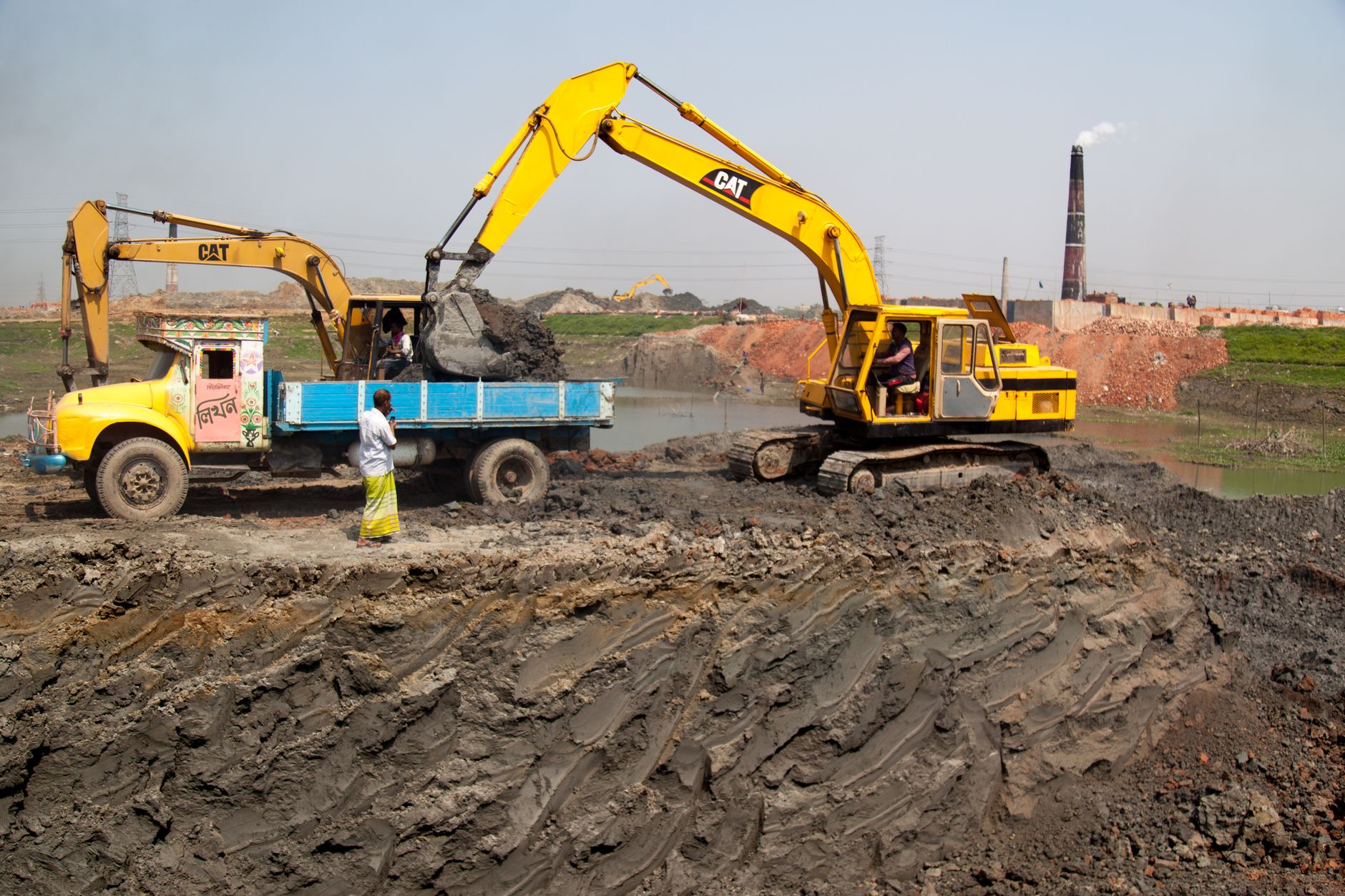
BRI projects in Bangladesh are reshaping trade dynamics and enhancing strategic partnerships in the Bay of Bengal. This expansion promises significant economic benefits for the region.
Overview of BRI Projects
The Belt and Road Initiative (BRI) has significantly influenced Bangladesh’s economic landscape. Key BRI projects in Bangladesh aim to enhance infrastructure, connectivity, and trade opportunities. These initiatives are part of China’s broader strategy to deepen its strategic footprint in the Bay of Bengal, which is a vital maritime trade route.
Several major projects are currently underway, including:
- The Padma Bridge: This landmark project is expected to facilitate smoother transport and improve access between the capital and the southern regions.
- The Dhaka-Southwest Railway: Enhancing rail connectivity will significantly reduce travel time and bolster trade routes.
- The Payra Port Development: As a new deep-sea port, it aims to increase shipping capacity and attract international trade.
Supporters argue that these BRI projects in Bangladesh will not only boost trade but also create jobs and stimulate economic growth. However, critics caution about potential debt implications and the need for sustainable development practices.
Impact on Bangladesh’s Economy
The ongoing BRI projects in Bangladesh are poised to have a significant impact on the country’s economy. By enhancing infrastructure and connectivity, these initiatives aim to improve trade access not only within Bangladesh but also with regional partners.
Experts believe that the BRI projects will lead to:
- Job Creation: The construction and development phases are expected to generate thousands of jobs, significantly reducing unemployment rates.
- Increased Foreign Investment: Improved infrastructure will attract foreign investors, boosting sectors such as manufacturing and services.
- Enhanced Trade Opportunities: Better transport links will facilitate trade, making it easier for Bangladeshi goods to reach international markets.
- Economic Diversification: The focus on infrastructure can help diversify the economy, reducing reliance on traditional sectors.
However, while the BRI projects in Bangladesh promise numerous benefits, they also raise concerns over debt sustainability and environmental impact. A balanced approach will be crucial to fully realize the potential economic benefits while mitigating associated risks.
Strategic Importance of the Bay of Bengal
The Bay of Bengal holds significant strategic importance for both regional and global trade dynamics. As the world’s busiest shipping lanes traverse this area, the development of BRI projects in Bangladesh is poised to enhance trade access not only for Bangladesh but also for neighboring countries.
Geographically positioned at the crossroads of South Asia and Southeast Asia, Bangladesh can leverage its coastal location to become a vital trade hub. The expansion of ports and infrastructure through various BRI projects will facilitate smoother trade routes, enabling quicker access to international markets.
Key benefits of BRI projects in the Bay of Bengal include:
- Improved connectivity: Upgraded transport links will streamline cargo movement.
- Increased investment: Foreign investments spurred by enhanced trade opportunities.
- Regional partnerships: Strengthened ties with neighboring countries through collaborative projects.
As these developments unfold, the Bay of Bengal could emerge as a central hub for trade, enhancing Bangladesh’s role in regional commerce and beyond.
Trade Access Expansion
The Belt and Road Initiative (BRI) projects in Bangladesh are poised to significantly enhance trade access for the country. These initiatives aim to improve infrastructure, facilitating smoother transportation of goods both domestically and internationally.
With improved roadways and ports, Bangladesh can expect:
- Increased trade volume: Enhanced connectivity with neighboring countries may lead to a rise in exports, notably in textiles and agriculture.
- Access to new markets: BRI projects can help Bangladeshi businesses reach previously untapped markets, expanding their customer base.
- Attraction of foreign investment: A robust infrastructure network may attract foreign investors looking to capitalize on Bangladesh’s strategic location.
Moreover, these projects could deepen economic ties between Bangladesh and China, fostering long-term partnerships that benefit both nations. The potential for increased trade access through BRI projects in Bangladesh not only promises economic growth but also positions the country strategically in the ever-evolving regional trade landscape.
Challenges Faced by BRI Initiatives
The implementation of BRI projects in Bangladesh faces several challenges that could hinder their effectiveness in boosting trade. One major issue is the lack of adequate infrastructure, particularly in rural areas. Many regions still lack reliable transportation networks, which can impede the movement of goods and services.
Additionally, there are concerns regarding the financing of these projects. Issues related to debt sustainability have been raised, as some critics argue that the financial burden imposed by these initiatives could lead to long-term economic strain on Bangladesh.
Moreover, local governance and regulatory frameworks can create obstacles. Bureaucratic inefficiencies and corruption may delay project approvals and implementation, further complicating the landscape for BRI initiatives.
Environmental concerns also pose a significant challenge. Many BRI projects have faced opposition from local communities due to potential negative impacts on ecosystems and livelihoods.
In summary, while BRI projects in Bangladesh present opportunities for trade expansion, overcoming these challenges is essential for ensuring their success and sustainability.
Future Prospects for Bangladesh
As Bangladesh continues to integrate into the global economy, the future prospects for the nation hinge significantly on the success of BRI projects in Bangladesh. These initiatives not only aim to enhance infrastructure but also facilitate trade access, fostering deeper economic ties with regional partners.
A key factor to consider is the potential for increased foreign investment. With the promise of improved transportation networks and energy supplies, investors may find Bangladesh an attractive destination. This could lead to a more diversified economy, reducing reliance on traditional sectors.
Moreover, the growing participation in the Bay of Bengal’s trade dynamics can position Bangladesh as a central player in maritime trade routes. However, the nation must navigate the complexities of international relations and local governance to fully realize these benefits.
In conclusion, while BRI projects in Bangladesh present significant opportunities for economic growth, the path forward will require strategic planning and collaboration among stakeholders to ensure sustainable development and mutual benefits.
Role of China in Regional Development
The role of China in regional development through the Belt and Road Initiative (BRI) projects in Bangladesh has been significant, shaping the economic landscape and fostering closer ties between the two nations. By investing in infrastructure, China is not only enhancing connectivity but also positioning itself as a key player in the Bay of Bengal.
Chinese investments have led to the construction of vital roads, bridges, and ports, which are essential for trade facilitation. These developments are critical for Bangladesh as they improve logistics and reduce transportation costs, ultimately boosting trade efficiency.
Moreover, the BRI projects in Bangladesh are fostering an environment of economic collaboration, enabling local businesses to access larger markets. This strategic partnership is expected to enhance regional trade relations, drawing other neighboring countries into the economic sphere of influence.
However, this growing dependence on China raises concerns about long-term implications for Bangladesh’s sovereignty and economic autonomy. Balancing these investments while ensuring sustainable development remains a key challenge for the country.
Community Reactions to BRI Projects
Community reactions to BRI projects in Bangladesh have been mixed, reflecting a range of opinions on their potential benefits and drawbacks. While some residents express optimism about the economic opportunities these projects might bring, others voice concerns about their long-term implications.
Supporters of the BRI projects in Bangladesh argue that they could significantly enhance local infrastructure, leading to improved trade access and job creation. They believe that these developments may help integrate Bangladesh more effectively into global supply chains.
Conversely, critics highlight several issues, including:
- Environmental Concerns: Many fear that large-scale construction could harm local ecosystems.
- Debt Risks: Some community members worry about the potential for increased national debt due to reliance on Chinese funding.
- Displacement: There are apprehensions regarding the displacement of local communities to accommodate these projects.
As discussions continue, it remains to be seen whether the advantages of BRI projects in Bangladesh will outweigh the challenges they pose.
Photo by M Mahbub A Alahi on Pexels