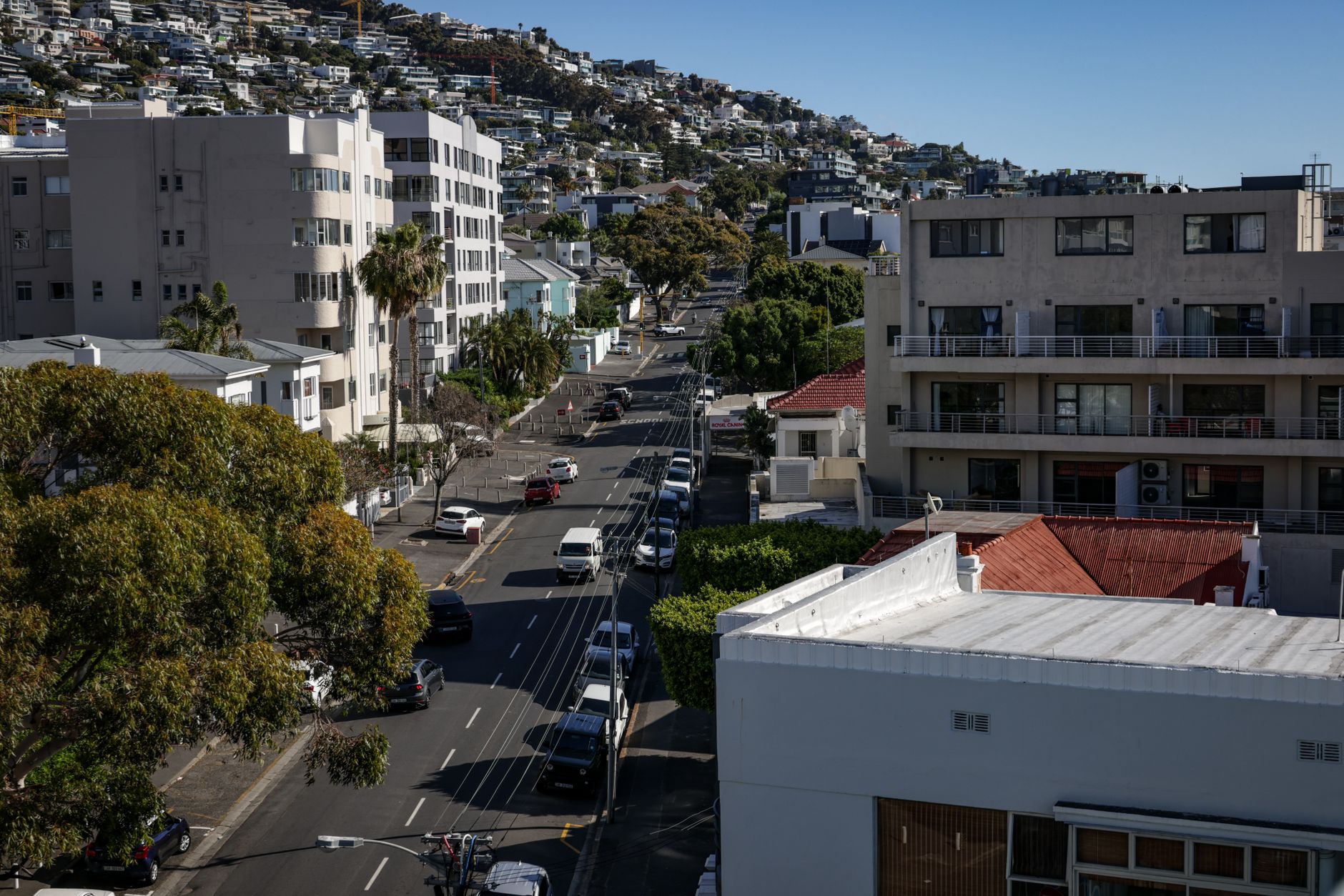
Cape Town rents are skyrocketing, nearly doubling those in Joburg as property prices jump 12%. This trend raises concerns for potential renters and buyers alike.
Understanding the Rental Market in Cape Town
The rental market in Cape Town has been experiencing significant fluctuations, with recent reports indicating a sharp increase in rental prices. The Cape Town rents are now nearly double those of Johannesburg, highlighting a growing disparity in the property market between these two major South African cities.
Several factors contribute to this surge in rental costs:
- High Demand: The demand for rental properties in Cape Town has surged due to its popularity among both local residents and international tourists.
- Limited Supply: The availability of rental properties has not kept pace with demand, leading to increased competition among prospective tenants.
- Economic Growth: As the economy of Cape Town continues to evolve, more individuals are relocating to the area for job opportunities, further driving up rental prices.
Additionally, the city’s status as a tourist destination has made it attractive for property investors, who are capitalizing on the lucrative short-term rental market. This shift has also contributed to the overall increase in property prices, with reports indicating a 12% jump this year alone.
As tenants navigate this challenging landscape, understanding the factors behind the rising Cape Town rents becomes essential for making informed decisions in a competitive market.
Comparing Cape Town and Joburg Rents
As the rental market continues to shift, a close comparison between Cape Town and Joburg reveals stark differences in property prices. In recent reports, it has been noted that Cape Town rents are nearly double those of Joburg, which raises questions about the factors driving this disparity.
Several elements contribute to the higher rental costs in Cape Town, including:
- Location: Cape Town’s stunning coastal views and proximity to the ocean make it a highly sought-after destination for both locals and tourists alike.
- Tourism: The city attracts millions of visitors each year, increasing demand for rental properties, particularly in popular areas.
- Economic Factors: The local economy in Cape Town is supported by tourism, tech, and finance, leading to a higher average income that can sustain elevated rent prices.
In contrast, Joburg offers a different economic landscape, with a more diverse range of industries that contribute to its rental market. While Joburg still experiences its own increases in rent, the pace has not matched that of Cape Town. As a result, many individuals and families are weighing their options, considering relocation to find more affordable housing.
Overall, the significant gap in Cape Town rents versus those in Joburg highlights the ongoing challenges faced by renters in a fluctuating market.
Factors Driving Property Price Increases
Several factors are contributing to the recent surge in Cape Town rents, leading to the worst jump in property prices this year. Understanding these elements is crucial for both potential renters and property investors.
- High Demand: The influx of people relocating to Cape Town for work and lifestyle reasons has created a competitive rental market. With more individuals seeking housing, landlords are capitalizing on the demand.
- Limited Supply: A shortage of available rental properties has exacerbated the situation. Many landlords are hesitant to sell amid rising property values, choosing instead to rent, further constraining the market.
- Tourism Recovery: As tourism rebounds post-pandemic, short-term rentals have become increasingly popular. This shift means that more properties are being listed for short-term stays rather than long-term rentals, limiting options for residents.
- Inflation and Economic Factors: General inflation and rising costs of living are prompting landlords to increase rents to maintain profitability. This trend is particularly evident in Cape Town, where the cost of living is already high.
- Urban Development: Ongoing developments in infrastructure and amenities are making certain neighborhoods more desirable, driving up property prices and rents even further.
As a result of these factors, potential renters in Cape Town are facing significant challenges in securing affordable housing.
Impact on Renters in Cape Town
The recent surge in Cape Town rents has left many tenants grappling with the financial implications of skyrocketing property prices. With a staggering 12% increase reported this year, renters are feeling the pressure as they struggle to keep up with rising costs. This drastic rise has positioned Cape Town as one of the most expensive rental markets in South Africa, nearly doubling the rents seen in Johannesburg.
For many residents, the impact of these increases is profound. Monthly budgets are being stretched, leading to difficult choices between essential expenses. As rental prices continue to climb, families may find themselves forced to relocate to less desirable areas, sacrificing convenience and quality of life for affordability.
Furthermore, the rapid increase in rental rates has triggered a wave of discontent among tenants. Many are voicing their concerns regarding the sustainability of such high rents, fearing that they may soon be priced out of their homes entirely. The rental market’s dynamics are shifting, and renters are increasingly advocating for their rights and seeking solutions to combat these escalating prices.
As the situation evolves, local organizations and government bodies are being called upon to intervene. Tenants hope for measures that will stabilize Cape Town rents and ensure that housing remains accessible to all.
Future Projections for South African Real Estate
As the South African real estate market evolves, future projections indicate that Cape Town rents may continue to experience significant fluctuations. Analysts predict that the trend of rising property prices is likely to persist, driven by a combination of local demand and economic factors.
In the coming years, the following elements are expected to influence Cape Town’s rental landscape:
- Economic Recovery: As South Africa rebounds from economic challenges, increased investment in Cape Town’s infrastructure and tourism could boost rental demand.
- Population Growth: An influx of residents seeking opportunities in the city is anticipated, further straining the housing market and driving up rents.
- Urban Development: Ongoing urbanization and new developments may create more housing options, yet the demand may outpace supply, maintaining high rental prices.
- Interest Rates: Changes in interest rates could affect property purchases, leading some potential buyers to remain in the rental market, pushing Cape Town rents higher.
In conclusion, the outlook for Cape Town rents remains uncertain but potentially challenging for renters. As property prices continue to rise, the ability for many to afford suitable housing could diminish, prompting a critical examination of housing policies and interventions necessary to ensure accessibility in the market.
Government Policies Affecting Housing
The recent surge in Cape Town rents has prompted discussions about various government policies that may be influencing the housing market. Policymakers are facing pressure to address the affordability crisis as property prices continue to rise dramatically, leading to concerns over housing accessibility for lower-income families.
One key policy area is the regulation of short-term rentals, particularly through platforms like Airbnb. As demand for tourist accommodations increases, many landlords opt to convert long-term rental units into lucrative short-term rentals. This shift not only affects the availability of housing but also drives up the overall rental prices in the city.
Additionally, the government has been criticized for its slow response to the housing crisis. While there are initiatives aimed at increasing affordable housing stock, these measures have not kept pace with the rapid rise in Cape Town rents. Local authorities are being urged to implement more effective strategies to stabilize the rental market.
Another aspect of government policy affecting housing is zoning laws. Restrictions on new developments in certain areas can limit the supply of housing, exacerbating the affordability issues. Advocates argue that revising these regulations could facilitate the construction of more affordable units.
In summary, a comprehensive approach to policy reform is essential to address the challenges facing Cape Town’s rental market and to ensure that housing remains accessible for all residents.
Expert Opinions on the Market Shift
Experts in the real estate sector have provided insights into the recent surge in Cape Town rents, highlighting a combination of economic, social, and environmental factors contributing to this market shift. Many analysts report that the 12% increase in property prices this year has created an unprecedented wave of demand for rental properties.
According to Dr. Sarah Thompson, a property market analyst, “The sudden uptick in Cape Town rents can be attributed to a resurgence in tourism and migration back to urban areas post-pandemic.” This influx has heightened competition for available rental properties, further driving up prices.
Additionally, real estate agent Mark Jacobs noted, “Many landlords are capitalizing on the increased demand by adjusting their rental prices to reflect current market conditions.” He emphasized that this trend is causing a significant strain on current renters, many of whom face challenging choices as they seek affordable housing options.
Another key point raised by urban economist Lisa Chen is the impact of government policies on housing supply. “While there are initiatives aimed at increasing affordable housing, they have yet to catch up with the rapid changes in demand,” she stated. As a result, renters are left in a precarious situation as the gap between wages and rental prices continues to widen.
The ongoing shifts in the market are set to influence the future landscape of housing in Cape Town, prompting both renters and policymakers to adapt to these evolving conditions.
Tips for Navigating the Current Rental Landscape
Navigating the current rental landscape in Cape Town can be challenging, especially with the recent surge in Cape Town rents. Here are some tips to help potential renters find suitable accommodations amidst rising property prices.
- Research the Market: Before starting your search, familiarize yourself with the average rental prices in various neighborhoods. Understanding the market can help you set realistic expectations and avoid overpaying.
- Be Flexible: Consider expanding your search to include less popular areas that may offer more affordable rents. Sometimes, a short commute can lead to significant savings.
- Utilize Online Resources: Use rental listing websites and apps to compare prices and find deals. Many platforms provide filtering options to narrow down your search based on budget, location, and amenities.
- Network: Reach out to friends, family, and colleagues in Cape Town. Personal referrals can often lead to rental opportunities that are not advertised publicly.
- Negotiate: Don’t hesitate to negotiate rent with landlords, especially if you find a property that ticks all your boxes. Many landlords may be willing to offer lower rents for long-term leases.
By employing these strategies, renters can better navigate the challenges posed by soaring Cape Town rents and secure a home that meets their needs without breaking the bank.
Photo by Magda Ehlers on Pexels