


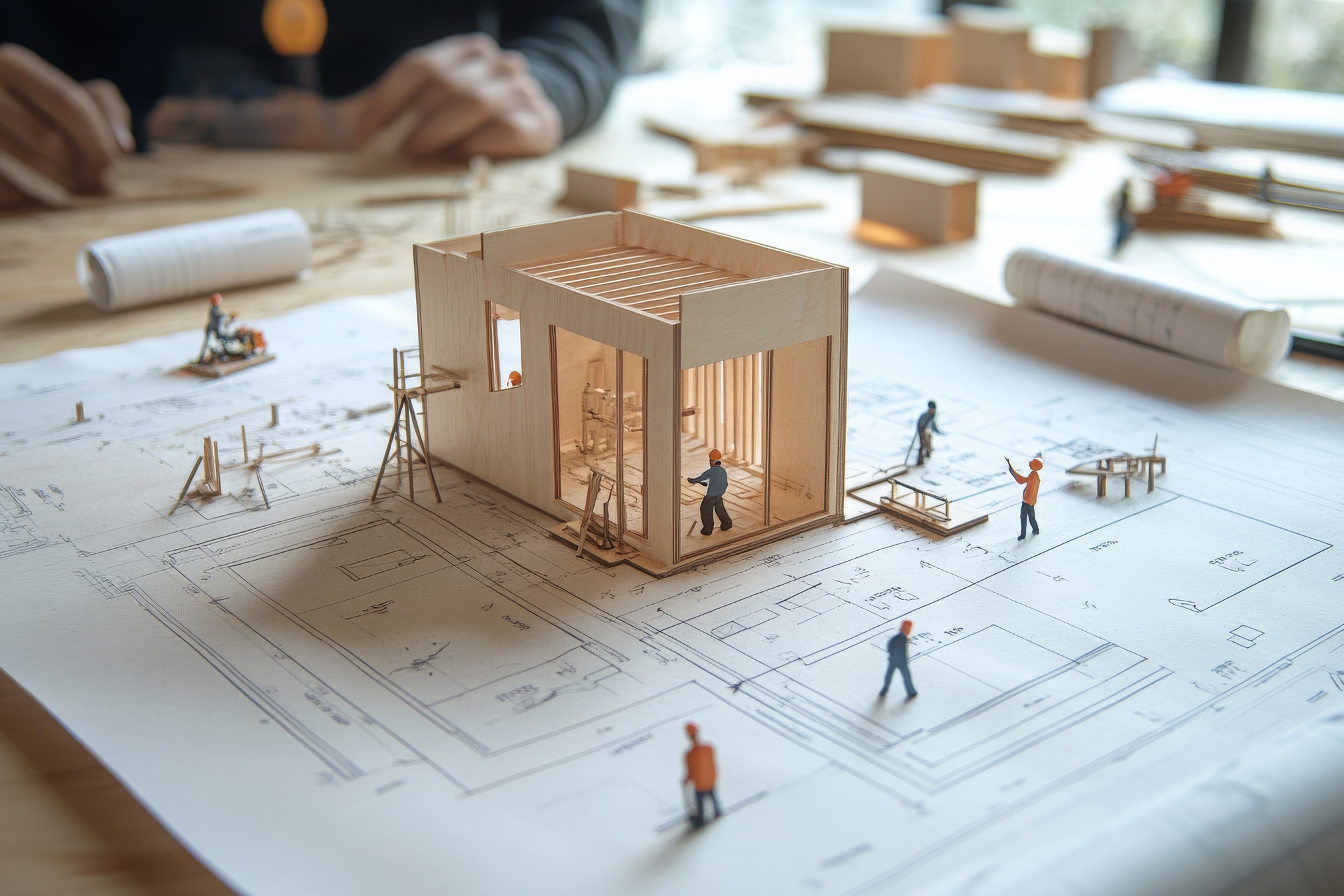
Building a property from the ground up can be one of the most rewarding experiences for homeowners and investors alike. Unlike purchasing an existing home, new construction allows you to customize every aspect of your property, from design to finishes. However, financing a construction project is often more complex than obtaining a traditional mortgage. This is where construction loans come into play, providing the necessary funds to turn plans into reality while offering flexibility during the building process.
Understanding Construction Loans
Construction loans are specialized short-term loans designed to cover the cost of building a property. Unlike standard mortgages, which are based on the value of an existing home, construction loans are based on the projected value of the property once construction is complete. This makes them an ideal option for homeowners and investors who want to build from scratch or significantly renovate an existing property. Lenders evaluate the project’s plans, budgets, and timelines before approving funding, ensuring the loan aligns with the construction process.
How Construction Loans Work
Construction loans work differently from traditional mortgages. They are usually short-term, typically lasting 12 to 18 months, and are designed to cover the costs associated with building a home or commercial property. Funds are released in stages, known as “draws,” as construction milestones are met. Borrowers typically pay interest only on the amount disbursed during the construction period, reducing financial strain. Once construction is complete, the loan can either be paid off with a traditional mortgage or converted into a permanent loan, depending on the type of construction financing selected.
Types of Construction Loans
Construction loans come in several forms to meet different needs:
- Construction-to-Permanent Loans: These loans combine construction financing with a permanent mortgage, simplifying the borrowing process.
- Stand-Alone Construction Loans: Short-term loans that cover only construction costs, requiring a separate mortgage to pay off the loan upon completion.
- Renovation Construction Loans: Designed for major remodels or additions, providing funds to improve an existing property.
- Owner-Builder Construction Loans: For those acting as their own general contractor, though approval may be more challenging due to increased risk.
Benefits of Construction Loans
Construction loans offer several advantages for borrowers:
- Customizable Projects: Allows full control over design, materials, and finishes.
- Interest-Only Payments During Construction: Reduces the immediate financial burden.
- Flexible Draw Schedule: Funds are released as needed, aligning with construction milestones.
- Potential for Appreciation: New construction often results in higher property value compared to existing homes.
Who Should Consider Construction Loans
Construction loans are ideal for:
- Homeowners looking to build a custom home
- Real estate investors seeking to develop residential or commercial properties
- Borrowers who want control over construction timelines and design
- Individuals with clear project plans, budgets, and timelines
Challenges and Considerations
While construction loans provide flexibility, they come with unique challenges:
- Higher Interest Rates: Construction loans often carry higher rates than traditional mortgages due to increased risk.
- Complex Approval Process: Lenders require detailed plans, cost estimates, and construction timelines.
- Short-Term Nature: Borrowers need a clear exit strategy, whether converting to a mortgage or selling the property.
- Budget Management: Careful tracking of expenses is essential to avoid overruns.
Tips for Successfully Securing a Construction Loan
- Prepare a detailed construction plan, including blueprints, materials, and timeline.
- Obtain multiple contractor bids to ensure accurate cost estimates.
- Maintain good credit and financial stability to increase loan approval chances.
- Work with lenders experienced in construction financing to streamline the process.
- Keep contingency funds available to cover unexpected costs during construction.
Conclusion
Construction loans are a powerful tool for anyone looking to build a custom home or develop a property from scratch. By providing short-term, stage-based financing, these loans offer flexibility and support throughout the building process. Understanding the types of construction loans, managing budgets carefully, and partnering with knowledgeable lenders ensures a smoother experience and a successful project. For homeowners and investors seeking to bring their vision to life, construction loans are an essential resource for turning plans into reality.
