


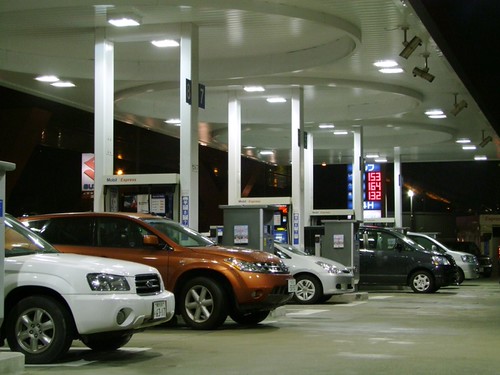
Gasoline prices rise as they are set to increase by P3.50 per liter on Nov. 3. This change is expected to have a significant impact on consumers and the economy.
Understanding the Gasoline Price Increase
As gasoline prices rise, consumers are increasingly feeling the pinch at the pump. The recent announcement of a price increase by P3.50 per liter on November 3 has raised concerns among drivers and households alike. Understanding the factors behind this surge is essential for everyone impacted by rising fuel costs.
Several factors contribute to the increase in gasoline prices:
- Global Oil Prices: Fluctuations in the global oil market largely dictate local gasoline prices. Recent geopolitical tensions have caused instability, leading to higher crude oil costs.
- Supply Chain Disruptions: Issues such as natural disasters or transportation delays can disrupt supply chains, resulting in a decrease in available gasoline and subsequent price hikes.
- Taxes and Regulations: Government policies and taxes on fuel can also increase costs for consumers, adding to the overall price at the pump.
As gasoline prices rise, the consequences extend beyond just filling up your vehicle. Increased costs can lead to higher prices for goods and services, affecting the overall economy. Households may need to adjust their budgets, prioritizing essential expenses and potentially cutting back on discretionary spending.
Impact on Local Economy
The recent surge in gasoline prices has raised concerns about its impact on the local economy. As prices are set to increase by P3.50 per liter on November 3, many residents are feeling the pinch in their budgets. The rise in gasoline prices rise affects not only individual consumers but also businesses that rely heavily on transportation.
Local businesses, particularly those in the delivery and transportation sectors, are faced with higher operating costs. This can lead to increased prices for goods and services, ultimately affecting consumers’ wallets even further. Residents may notice a rise in prices at the grocery store, restaurants, and other essential services as businesses pass on these costs.
Moreover, the increase in gasoline prices can have a ripple effect on the overall economic activity in the area. Reduced disposable income may lead to decreased spending on non-essential items, which can slow down local economic growth. As families adjust their budgets, many may opt for less frequent outings or limit their shopping trips.
In addition to individual and business impacts, the rise in gasoline prices can also lead to increased inflation rates, causing further strain on the local economy. As this situation unfolds, it will be crucial for both consumers and businesses to adapt to the changing economic landscape.
Consumer Reactions to Rising Prices
As gasoline prices rise, consumers across the country are voicing their frustrations and concerns. Many drivers are feeling the pinch as they head to the pump, with some reporting drastic changes in their weekly budgets.
“I used to fill up my tank for around $40, but now it’s closer to $60,” said local resident Maria Thompson. “This increase is affecting not just my fuel expenses but also my overall spending.”
In response to the rising costs, some consumers are altering their driving habits. A survey conducted by a local news outlet revealed that:
- Over 50% of respondents are carpooling more frequently.
- Nearly 40% are opting for public transportation instead of driving.
- About 30% are cutting back on non-essential travel to save money.
Many are also expressing anger towards oil companies, believing that they are taking advantage of the situation. “It feels like we’re being squeezed every time we fill up,” noted James Carter, a frequent commuter. “This latest rise in gasoline prices is just another reminder of how dependent we are on these resources.”
As the situation unfolds, consumers remain hopeful for relief in the coming weeks.
Real Estate Market Trends Amid Price Changes
As gasoline prices rise, the ripple effects can be felt throughout various sectors, notably in the real estate market. Homebuyers and renters alike are feeling the pressure from increased transportation costs. Many are adjusting their budgets to account for these fluctuations, which can lead to shifts in housing demand.
With the rise in gasoline prices, potential homebuyers are becoming more cautious. They are seeking properties that offer better accessibility to public transportation or are located closer to work centers, minimizing their reliance on personal vehicles. This shift can lead to:
- Increased demand for urban properties: Areas with robust public transit systems may see a surge in interest as commuters look to save on fuel costs.
- Impact on suburban housing: As gasoline prices rise, some buyers may hesitate to purchase homes farther from urban centers, driving down demand in these regions.
- Rental market fluctuations: Landlords may need to adjust rental prices to remain competitive as tenants reevaluate their housing needs in light of rising transportation expenses.
This changing landscape highlights the interconnectedness of gasoline prices and the real estate market, underscoring the need for buyers and sellers to remain vigilant during this period of uncertainty.
How to Budget for Increased Fuel Costs
As gasoline prices rise, it’s essential to reassess your budget to mitigate the impact on your finances. Rising fuel costs can strain household budgets, making it crucial to plan ahead.
Here are some strategies to help you manage increased fuel expenses:
- Track Your Spending: Keep a close record of your fuel expenses to identify patterns in your usage. This can help you make informed decisions about when and where to fill up.
- Plan Your Trips: Combine errands into one trip to reduce overall fuel consumption. This not only saves money but also minimizes time spent on the road.
- Consider Alternative Transportation: If possible, explore public transportation, carpooling, or biking as alternatives to reduce your reliance on gasoline.
- Adjust Your Budget: Allocate more funds to your transportation budget. Consider cutting back on discretionary spending in other areas to accommodate the rise in fuel costs.
- Stay Informed: Keep an eye on fuel price trends and be proactive in adjusting your budget as necessary. Use apps and websites that track gasoline prices to find the best deals.
By implementing these tips, you can better navigate the challenges posed by the rise in gasoline prices and protect your wallet from undue strain.
Future Predictions for Gasoline Prices
As experts analyze the recent surge in gasoline prices, many are left to wonder what the future holds for fuel costs. The increase of P3.50 per liter on November 3 has sparked concerns among consumers and economists alike, with predictions suggesting that this trend may continue in the coming months.
Several factors contribute to these rising costs, including:
- Global Oil Prices: Fluctuations in crude oil prices on the global market can directly impact local gasoline prices. As demand increases and supply tightens, consumers may face even higher prices at the pump.
- Geopolitical Tensions: Political unrest in oil-producing regions can lead to instability, which often results in price hikes that affect consumers worldwide.
- Seasonal Demand: Historically, gasoline prices tend to rise during peak travel seasons, which may lead to increased pressure on household budgets.
With gasoline prices rising steadily, it is essential for consumers to stay informed about these trends. Budgeting for increased fuel costs can help mitigate the financial impact on daily life. As the situation unfolds, remaining aware of market dynamics will be crucial for adapting to these changes in fuel pricing.
As gasoline prices rise, many families are forced to cut back on other essential expenses. The struggle becomes even more pronounced when gasoline prices rise sharply, leaving less room in the budget for groceries and utilities.
By midorisyu via Openverse
