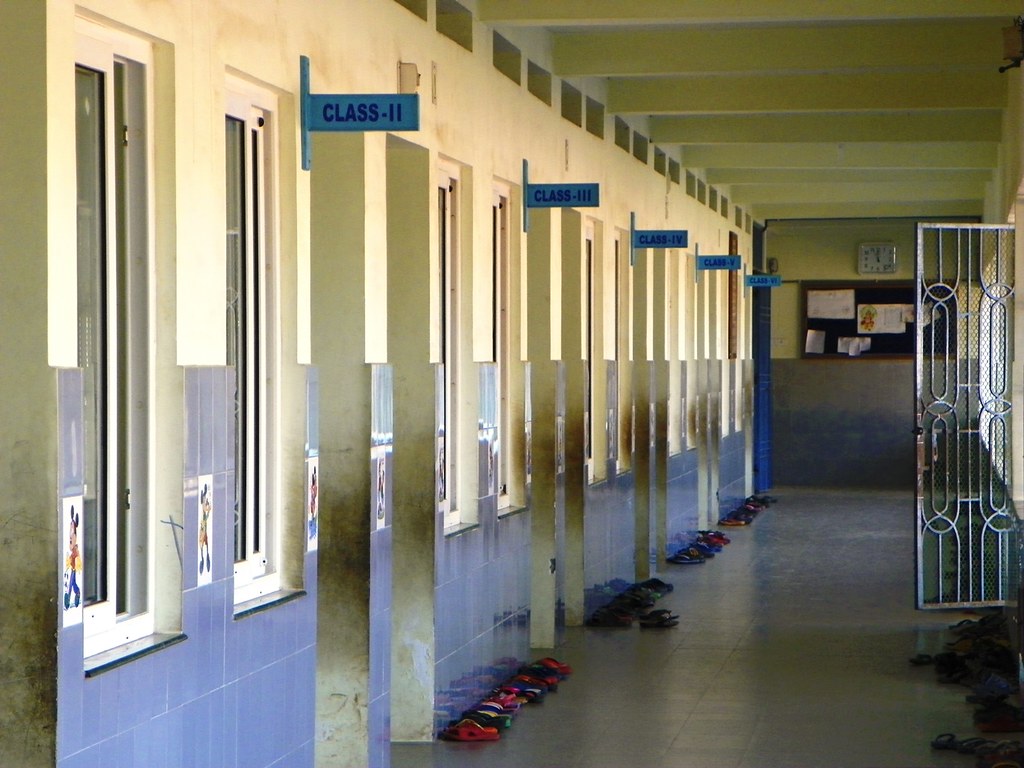
The hostel project for students is set to roll out, aiming to house 40,000 students and meet the needs of B40 families. This initiative has sparked discussions on its potential impact on the community.
Overview of the hostel project
The recently announced hostel project for students aims to address the housing challenges faced by B40 families in Malaysia. The initiative, led by the University of Malaya, is set to provide accommodation for approximately 40,000 students, ensuring that those from lower-income backgrounds have access to essential living facilities.
This project is particularly significant as it seeks to alleviate the financial burden on B40 families, who often struggle to afford housing near educational institutions. By creating affordable living spaces, the hostel project not only supports students in their academic pursuits but also contributes to the overall well-being of their families.
Furthermore, the hostel will be equipped with necessary amenities, promoting a conducive environment for learning and personal development. With this initiative, the government hopes to enhance educational opportunities and improve the quality of life for many families in the B40 category, fostering a brighter future for the next generation.
Impact on B40 families
The newly proposed hostel project for students aims to significantly impact B40 families by providing affordable housing solutions. With the rising costs of living, many families in the bottom 40% income bracket struggle to support their children’s education. This initiative seeks to alleviate some of that financial pressure.
Key aspects of the impact on B40 families include:
- Affordable Housing: By offering low-cost accommodation, families can redirect their limited resources towards other essential needs.
- Increased Access to Education: Proximity to educational institutions will reduce travel costs and time for students.
- Community Support: The hostel project encourages a sense of community among students, fostering collaboration and support networks.
- Long-term Benefits: Access to stable housing can lead to improved academic performance and increased job opportunities post-graduation.
Overall, this initiative represents a vital step in addressing the housing challenges faced by B40 families.
Timeline for completion
The timeline for completion of the hostel project for students is crucial for addressing the needs of B40 families. The initiative is designed to provide affordable housing solutions and is expected to unfold in several phases.
Key milestones include:
- Phase 1: Initial planning and design, expected to be finalized by the end of Q1 2024.
- Phase 2: Construction of the first set of buildings will commence in mid-2024, aiming for completion by early 2025.
- Phase 3: The project is anticipated to be fully operational by late 2025, providing housing for up to 40,000 students.
This timeline reflects a commitment to quickly meet the housing demands of students, particularly those from B40 families, ensuring that they have access to essential resources.
Funding and budget details
The funding for the hostel project for students has been structured to ensure maximum benefit for B40 families. The total budget allocated for this initiative is estimated to be around RM 500 million, which covers construction, maintenance, and operational costs.
Key components of the budget include:
- Construction Costs: Approximately RM 350 million will be directed towards building modern facilities that can accommodate up to 40,000 students.
- Operational Expenses: Around RM 100 million is reserved for staffing, utilities, and maintenance of the hostels.
- Community Engagement: A portion of RM 50 million is allocated for programs aimed at integrating students into the local community.
This comprehensive financial plan aims to ensure that the hostel project for students is sustainable and effective in addressing the housing needs of B40 families.
Community response
The community response to the hostel project for students has been overwhelmingly positive, with many local residents expressing enthusiasm for the initiative. Parents from B40 families have highlighted the potential benefits, including increased access to education and improved living conditions for their children.
Local leaders have also voiced their support, emphasizing the necessity of such projects to alleviate the challenges faced by low-income families. They believe that providing quality housing will not only support students academically but also foster a sense of community and belonging.
However, some community members raised concerns regarding the sustainability of the project. They emphasized the importance of ongoing maintenance and management to ensure that the hostel remains a safe and welcoming environment for its residents.
In summary, while the hostel project for students is seen as a step in the right direction, it is crucial for stakeholders to address these concerns to maximize its impact on B40 families.
Potential challenges
While the hostel project for students aims to provide affordable housing for B40 families, it faces several potential challenges that could impact its success.
- Funding Shortfalls: Despite initial budget allocations, unexpected costs may arise, jeopardizing the project’s financing and leading to delays.
- Location Issues: The chosen sites for the hostels may not be accessible to all students, particularly those from rural areas, limiting participation.
- Quality of Living: Ensuring adequate living conditions within the hostels is crucial; overcrowding or inadequate facilities could lead to dissatisfaction among residents.
- Community Integration: There may be resistance from local communities regarding the influx of students, which could create tension and affect the overall atmosphere.
Addressing these challenges effectively will be essential for the hostel project to achieve its intended benefits for B40 families and students alike.
Future of student housing
The future of student housing in the region looks promising, particularly with the introduction of the hostel project for students. This initiative aims to provide affordable and accessible accommodation for learners from low-income families, specifically targeting those from B40 backgrounds.
As urbanization continues to escalate, the demand for student housing has surged, making projects like this essential. The hostel project for students not only addresses the urgent need for more living spaces but also fosters a supportive community environment.
Moreover, this project is expected to stimulate local economies by creating jobs and increasing business for nearby establishments. Stakeholders believe that with proper management and continuous evaluation, the project can evolve into a sustainable model for future developments.
Ultimately, the success of this initiative will depend on the collaboration between government entities, educational institutions, and the communities they serve.
Comparison with other projects
When evaluating the hostel project for students, it is essential to consider how it compares with other initiatives aimed at supporting B40 families. Several alternatives have been proposed, including:
- Subsidized rental schemes: These programs provide financial assistance for families to afford private housing, but often lack the community aspect found in hostel living.
- Scholarship programs: While they alleviate financial burdens for education, they do not address housing issues directly.
- Shared living spaces: Initiatives promoting co-living can be more affordable, yet may not offer the same level of security and amenities as hostel accommodations.
Ultimately, the hostel project for students aims to create a supportive environment, addressing both housing and educational needs, which could make it a more comprehensive solution compared to these other options.
By juggadery via Openverse