


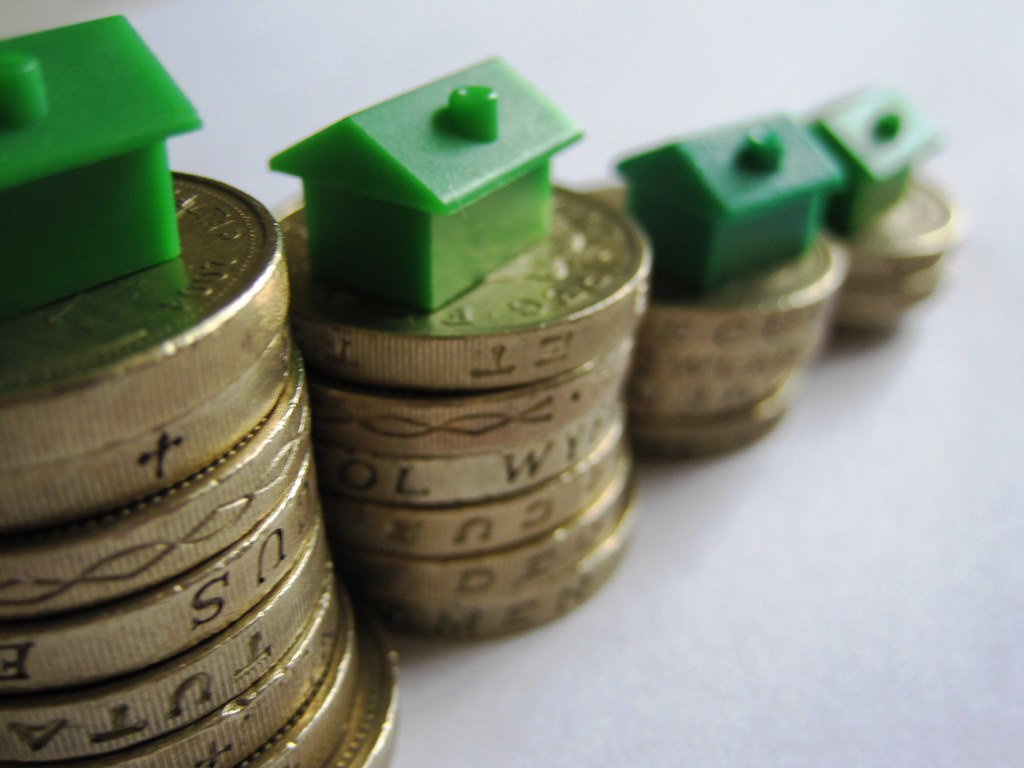
house price growth is becoming a critical topic as the Housing Minister emphasizes the need for a slowdown in the current property downturn. This shift aims to create a more balanced real estate market.
Understanding the Current Property Downturn
The current property downturn has raised significant concerns among homeowners and investors alike. With rising interest rates and inflationary pressures, many are questioning the sustainability of house price growth. The Housing Minister recently emphasized the need for a more measured approach to property values, suggesting that a slowdown in house price growth could alleviate some of the pressures faced by first-time buyers and renters.
As the market adjusts, several factors are at play:
- Interest Rates: Higher borrowing costs can reduce demand, leading to stagnant prices.
- Supply Chain Issues: Ongoing challenges in construction may affect housing availability.
- Economic Uncertainty: Fluctuations in the job market can impact buyer confidence.
Ultimately, a balanced approach to house price growth may be essential for long-term market stability.
The Role of House Price Growth
The recent commentary from the Housing Minister highlights the importance of managing house price growth during economic fluctuations. A balanced approach to property values can help stabilize the market and provide relief to potential homebuyers facing rising costs.
Key factors influencing house price growth include:
- Supply and Demand: Limited housing availability often drives prices up, creating barriers for first-time buyers.
- Interest Rates: Changes in interest rates can significantly impact mortgage affordability, influencing buyer behavior.
- Economic Conditions: A robust economy tends to support higher property values, while downturns can lead to stagnation or decline.
In addressing the property downturn, policymakers must consider these factors to ensure sustainable growth in house prices without causing further market instability.
Implications for Home Buyers and Sellers
The ongoing property downturn presents significant implications for both home buyers and sellers. For buyers, the current market conditions may create opportunities to negotiate better prices as house price growth slows. This could lead to more affordable options for first-time homeowners or those looking to upgrade.
However, potential buyers should remain cautious, as fluctuating prices can create uncertainty. It is essential to assess personal financial situations and long-term goals before making a decision.
For sellers, the situation is more complex. With slower house price growth, homeowners may find it challenging to achieve their desired sale price. Sellers must be prepared to adjust their expectations and consider strategic pricing to attract buyers in a competitive market.
Ultimately, understanding these dynamics can help both parties navigate the shifting landscape effectively.
Expert Opinions on Market Stabilization
Experts are emphasizing the need for a balanced approach to address the current property downturn. According to housing analysts, house price growth must be managed carefully to prevent market instability. Dr. Emily Johnson, a leading economist, stated that “excessive price increases can lead to a housing bubble, which ultimately harms both buyers and sellers.”
Furthermore, Tom Richards, a real estate consultant, noted that “sustainable house price growth fosters confidence in the market.” He advocates for policies that encourage gradual appreciation rather than sharp spikes. This sentiment is echoed by the Housing Minister, who insists on the necessity for “house price growth to slow” to ensure economic stability.
Overall, experts agree that a strategic approach is essential to maintain equilibrium in the housing market and protect the interests of all stakeholders.
By Images_of_Money via Openverse
