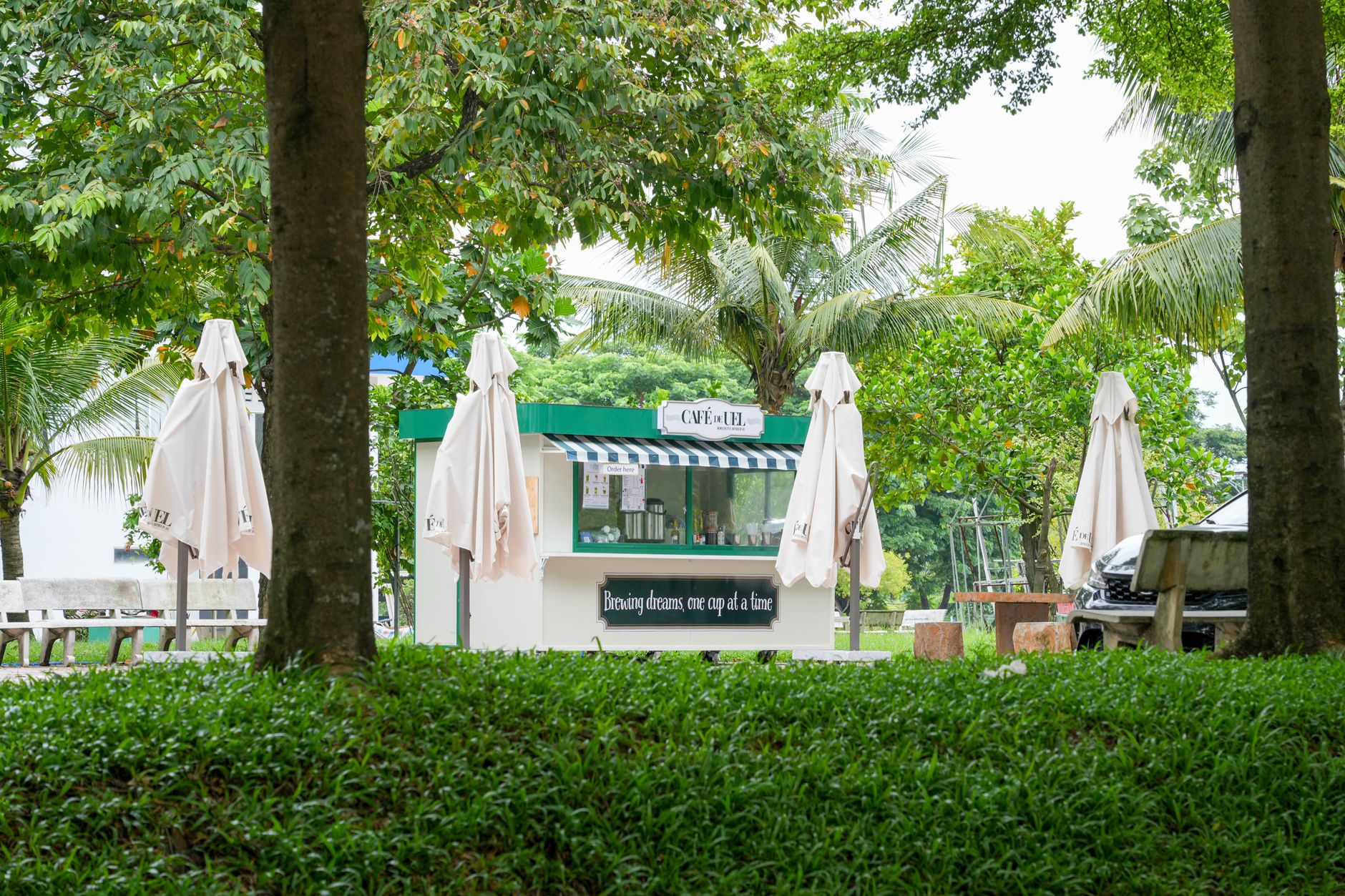
Prakriti Cafes in parks are set to enhance urban environments across the city. The NDMC’s initiative aims to create sustainable spaces for residents and visitors alike.
Overview of the Prakriti Cafes Initiative
The Prakriti Cafes initiative is a pioneering project aimed at enhancing public spaces by integrating nature with urban life. This initiative has been launched by the New Delhi Municipal Council (NDMC) as part of a broader development plan to improve parks and recreational areas across the city. The aim is to create inviting spaces where residents can unwind, socialize, and enjoy the natural surroundings.
The NDMC has announced plans to develop five Prakriti Cafes within various parks, which will serve as eco-friendly hubs for visitors. These cafes will not only provide refreshments but also promote sustainability through their design and operations. Each cafe will feature locally sourced materials and a menu that highlights organic and seasonal produce, further supporting local farmers and businesses.
The introduction of Prakriti Cafes in parks is expected to significantly enhance the user experience in these green spaces. They will serve as gathering spots for families, friends, and individuals looking to connect with nature while enjoying the comforts of a cafe setting. Additionally, the initiative aligns with the NDMC’s commitment to fostering community engagement and promoting environmental awareness.
In conjunction with this initiative, a Rs 106-crore drain desilting project has also been approved, ensuring that the parks remain clean and accessible for all visitors. This holistic approach underscores the NDMC’s dedication to improving the quality of life for Delhi residents.
Benefits of Developing Cafes in Parks
The establishment of Prakriti Cafes in parks presents a multitude of benefits for both the community and the environment. Such developments not only enhance the recreational value of public spaces but also promote sustainability and social interaction.
One of the primary advantages of developing these cafes is the potential for increased foot traffic in parks. This influx of visitors can lead to:
- Economic Growth: Local businesses may thrive as a result of increased patronage, and job opportunities can be created for residents.
- Enhanced Community Engagement: Cafes can serve as hubs for social gatherings, workshops, and community events, fostering a sense of belonging among park-goers.
- Environmental Awareness: Prakriti Cafes can focus on serving sustainable, locally sourced food, encouraging visitors to adopt eco-friendly practices.
Additionally, these cafes can contribute to the overall aesthetic of parks. By incorporating natural materials in their design and offering outdoor seating, they can blend seamlessly into the existing landscape.
Moreover, the presence of Prakriti Cafes in parks can promote healthier lifestyles. Visitors are more likely to engage in physical activities such as walking, jogging, or cycling when they have accessible amenities nearby. This development initiative is not just about providing food and beverages; it is about creating a vibrant community space that celebrates nature and well-being.
NDMC’s Commitment to Urban Green Spaces
The New Delhi Municipal Council (NDMC) has reaffirmed its commitment to enhancing urban green spaces by introducing the Prakriti Cafes in parks across the city. This initiative is part of a broader strategy to promote sustainability and provide residents with inviting spaces to relax and connect with nature. By developing these cafes, the NDMC aims to foster community engagement while preserving the natural beauty of the parks.
As urbanization continues to encroach on natural habitats, the establishment of Prakriti Cafes serves as a vital countermeasure. These cafes are not merely places to grab a bite; they symbolize a movement towards integrating eco-friendly practices within urban development. Designed with sustainability in mind, the cafes will utilize locally sourced materials and prioritize renewable energy sources, ensuring minimal environmental impact.
In addition to providing food and beverages, the cafes will host workshops, cultural events, and educational programs focused on environmental awareness. This multifaceted approach is expected to attract a diverse range of visitors, including families, students, and nature enthusiasts.
Overall, the NDMC’s initiative to develop Prakriti Cafes in parks marks a significant advancement in the city’s urban planning efforts. By combining leisure with environmental consciousness, these cafes will enhance the quality of life for residents while highlighting the importance of preserving green spaces in urban settings.
Details of the Rs 106-Crore Drain Desilting Project
The recent approval of the Rs 106-crore drain desilting project is a significant step towards enhancing the infrastructure supporting the Prakriti Cafes in parks. This initiative aims to ensure that the surrounding areas of these cafes remain clean, sustainable, and enjoyable for visitors.
The drain desilting project is crucial as it addresses long-standing issues of waterlogging and drainage inefficiencies in various parks, which could otherwise detract from the experience offered by the Prakriti Cafes. The desilting process will not only improve the drainage systems but also strengthen the overall ecosystem within these urban green spaces.
Key components of the project include:
- Comprehensive Assessment: A thorough evaluation of existing drainage systems to identify areas needing urgent attention.
- Desilting Operations: Removal of accumulated silt and debris to restore optimal drainage functionality.
- Sustainable Practices: Implementation of eco-friendly methods to minimize environmental impact during the desilting process.
- Community Engagement: Involving local communities in monitoring and maintaining the improved drainage systems.
By investing in this drain desilting project, the NDMC is not only paving the way for the successful establishment of Prakriti Cafes in parks but also reinforcing its commitment to creating a cleaner and greener urban environment for all residents.
Community Response to the New Cafes
The introduction of Prakriti Cafes in parks has sparked a wave of enthusiasm among local residents and visitors alike. Many community members express excitement over the prospect of enjoying nature while sipping coffee or having a light meal in a serene environment. As parks are often seen as communal spaces, the cafes are anticipated to enhance the overall experience of parkgoers.
Residents have voiced their support for the initiative, emphasizing that these cafes will promote social interaction and foster a sense of community. “This is a wonderful idea,” said local resident Anjali Verma. “It will encourage people to spend more time outdoors and appreciate our parks.” Others have echoed similar sentiments, highlighting the importance of having a space where families can gather and relax.
Moreover, environmental enthusiasts believe that the Prakriti Cafes will serve as a model for sustainable urban development. “Integrating cafes into parks aligns with our goals for promoting green spaces and ecological awareness,” noted Rajesh Kumar, a member of the local environmental group. The cafes are expected to offer locally sourced products and minimize waste, further supporting sustainability efforts in the city.
While some community members express concerns about potential noise and congestion, the overall response to the Prakriti Cafes initiative has been overwhelmingly positive, indicating strong community support for this innovative approach to enhancing public parks.
Future Plans for Urban Infrastructure
As urban areas continue to evolve, the future plans for urban infrastructure are increasingly focused on integrating green spaces with community amenities. The introduction of Prakriti Cafes in parks is a significant step toward enhancing the quality of life for city residents while promoting environmental sustainability.
The NDMC has laid out a comprehensive strategy to expand the availability of these cafes across various parks, ensuring that they not only serve as recreational spots but also as hubs for social interaction and community engagement. Future plans include:
- Expansion of Cafe Locations: Additional cafes will be developed in underutilized park areas to maximize accessibility.
- Incorporation of Local Produce: Future cafes will source ingredients from local farmers, promoting sustainability and supporting the regional economy.
- Eco-Friendly Designs: All new structures will be built using sustainable materials and include green technologies, such as solar panels and rainwater harvesting systems.
- Engagement with Community Programs: The cafes will host workshops and events aimed at educating the public about environmental conservation.
- Collaboration with Local Artists: Future plans will include showcasing local art and culture, turning these cafes into vibrant community spaces.
Through these initiatives, the NDMC aims to foster a stronger connection between urban life and nature, ensuring that the future of city living is both enjoyable and sustainable.
Conclusion: A Step Towards Sustainable Development
In conclusion, the introduction of Prakriti Cafes in parks marks a significant step towards sustainable development in urban environments. By integrating these cafes into green spaces, the initiative not only enhances community engagement but also promotes eco-friendly practices. These cafes are designed to serve as centers for social interaction, allowing residents and visitors to appreciate nature while enjoying quality food and beverages.
The NDMC’s commitment to urban green spaces is further exemplified through this project, demonstrating a holistic approach to city planning. By investing in the infrastructure of parks and creating inviting spaces where people can gather, the initiative encourages a lifestyle that embraces the outdoors and fosters a sense of community.
Moreover, the Prakriti Cafes are expected to serve as a model for future developments, showcasing how urban areas can harmoniously coexist with nature. The positive community response indicates a strong desire for sustainable options that prioritize environmental consciousness. Such projects can inspire similar initiatives across other cities, highlighting the importance of integrating leisure and nature within urban planning.
As the Rs 106-crore drain desilting project progresses alongside the cafe initiative, it reflects a comprehensive strategy aimed at improving overall urban infrastructure. The future plans for these Prakriti Cafes in parks promise to not only beautify the city but also contribute to the well-being of its inhabitants, making sustainable development a shared goal for the community.
Prakriti Cafes in parks offer a unique opportunity for urban dwellers to connect with nature while enjoying quality food and beverages. The implementation of Prakriti Cafes in parks not only enhances the aesthetic appeal of green spaces but also promotes sustainable practices within the community.
Photo by Manh Cuong Le on Pexels